Services Provided:
Structural Investigation, Condition Assessment, Remediation Design, Emergency Response, Structural Monitoring, Form 15 Certification
Sector:
High-Rise & Commercial, Emergency Response/Disaster Assessment, Marine & Coastal Infrastructure
Client:
Allied Commercial Pty Ltd
Location:
Surfers Paradise
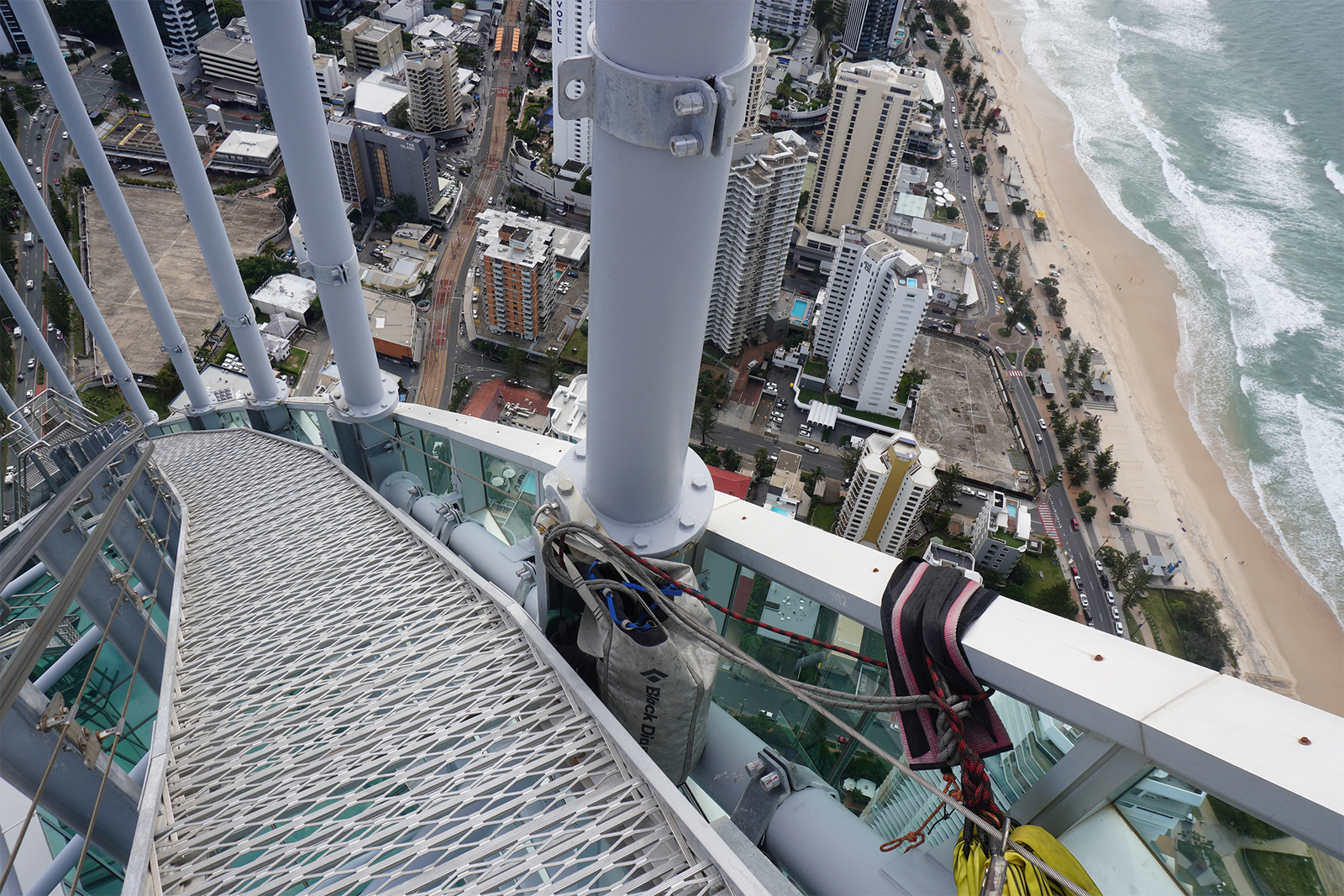
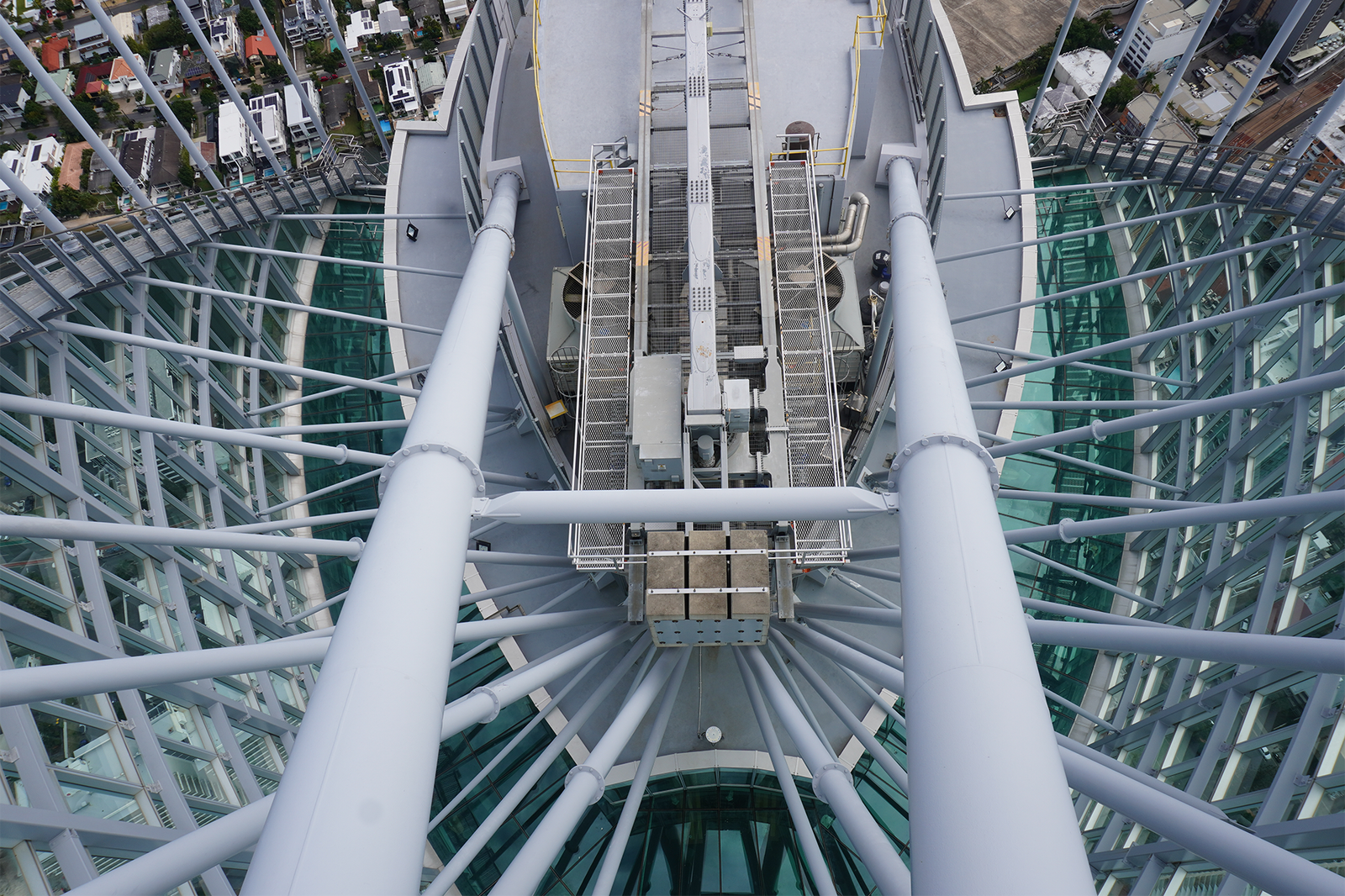
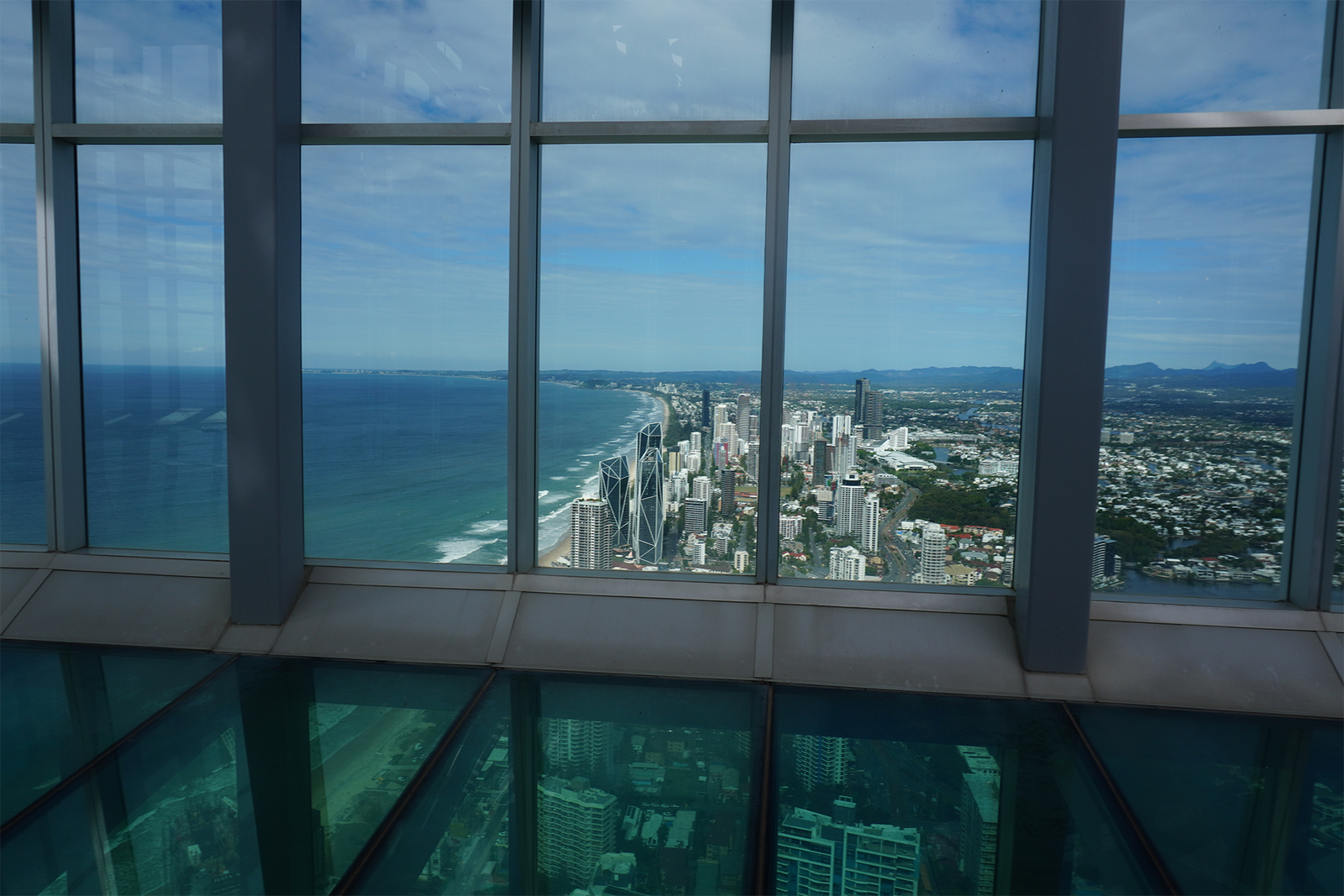
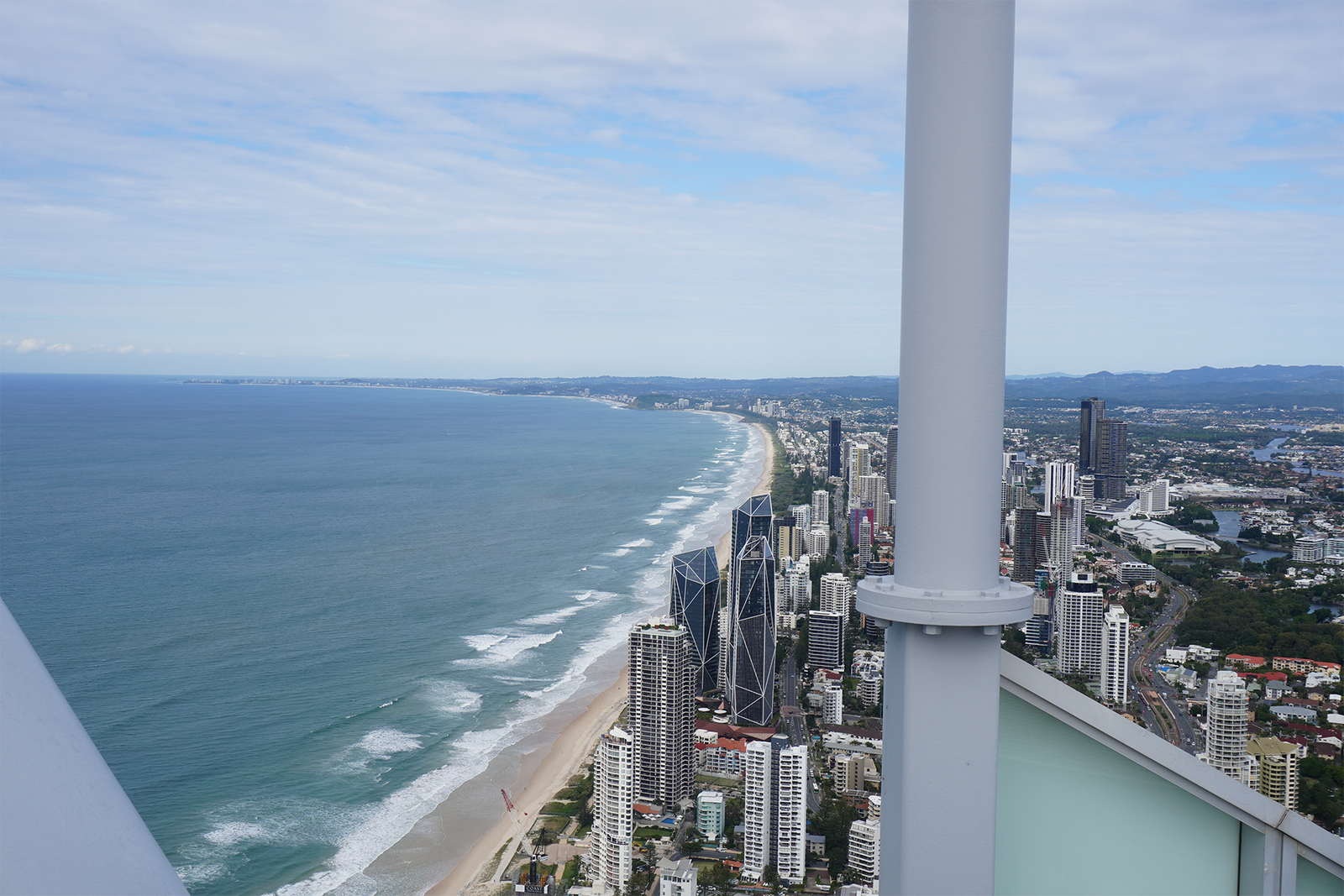
When Cyclone Alfred struck Southeast Queensland in March 2025, the Q1 Tower spire at 322.5 metres suffered critical facade and structural damage. TRSC provided emergency response within 48 hours, implementing temporary stabilisation measures while designing comprehensive permanent remediation for one of Australia’s most challenging marine environments at extreme height. The project included structural health monitoring systems to support ongoing asset management.
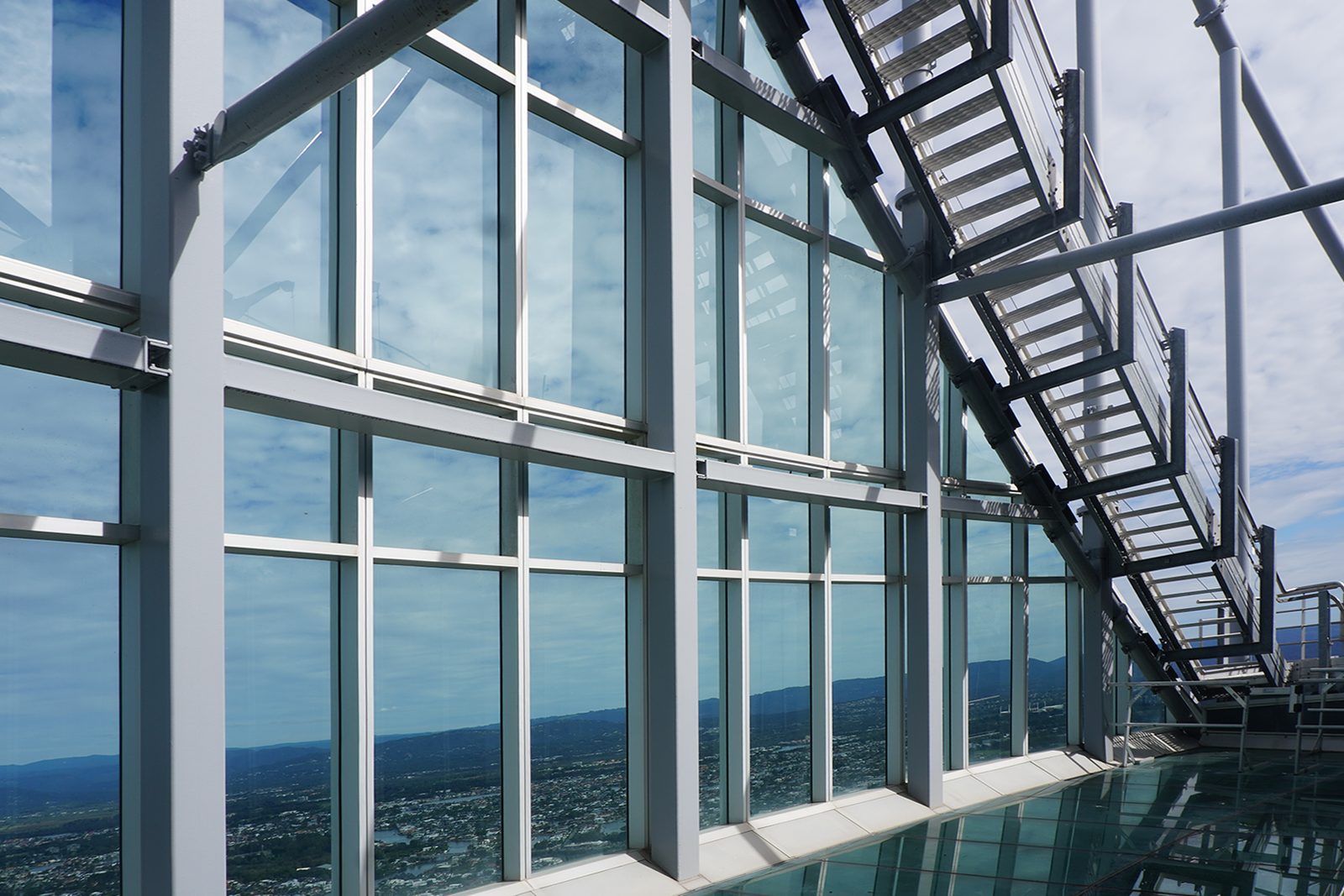
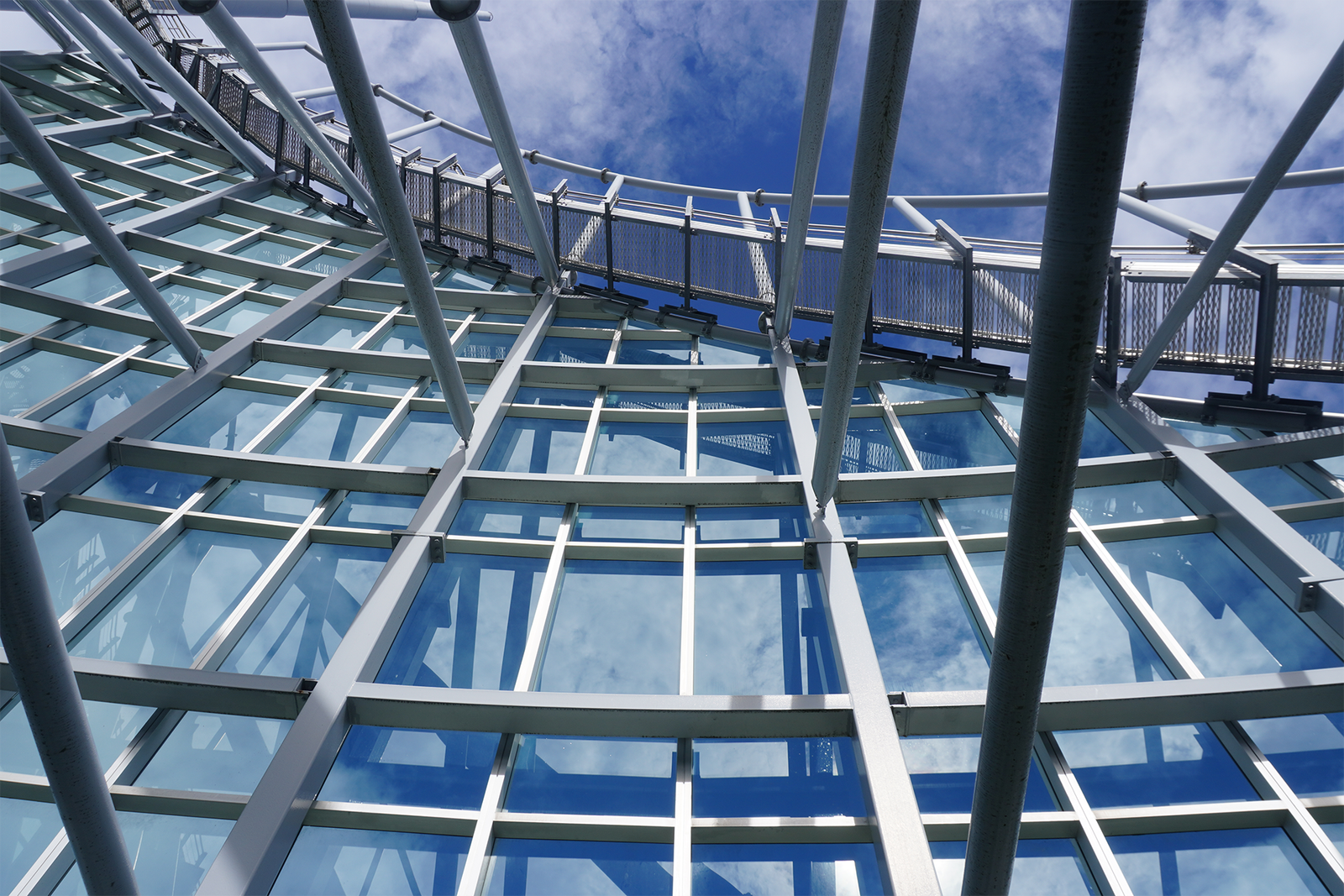
When Cyclone Alfred hit Southeast Queensland in March 2025, the Q1 spire revealed vulnerabilities that had been developing over years of exposure to harsh marine conditions. During the storm, a glass facade panel dislocated from its connections and the cantilever louvre system failed under cyclonic wind pressures that exceeded what the existing anchorage could handle. Our inspection revealed these acute failures were symptoms of a broader issue. Corrosion had spread throughout the spire, affecting welds, splice connections, and bolted joints. At over 300 metres elevation, the marine environment accelerates deterioration, especially where protective coatings break down or where water finds its way in through gaps like the missing flashing at corners. The structural steel itself was sound, but the systems connecting and protecting it had reached the end of their effective life.
The assessment program covered nine separate BMU drops across the spire structure, with each drop targeting specific areas of concern identified during preliminary inspection. Engineers hand-checked accessible bolts and nuts for tightness, tested panels for movement, and documented the condition of every visible connection and structural element. The corrosion mapping exercise was particularly detailed. Rather than simply noting that corrosion existed, we documented patterns that revealed the underlying mechanisms. Areas where coating had broken down showed one type of deterioration, while areas where different metals met showed the characteristic patterns of galvanic action. Understanding these patterns informed the remediation design, ensuring solutions addressed root causes rather than just visible symptoms.
Within 48 hours of the initial inspection, we had designed and overseen installation of temporary make-safe measures. The dislocated facade panel was secured with stitch plates fixed using tek screws through the existing mullions. This solution could be implemented quickly without requiring extensive access setup or structural modifications, eliminating the immediate risk while we developed permanent solutions. The permanent remediation took a different approach. Rather than relying on the existing connection system that had proven inadequate, we designed new 316 stainless steel connections specifically engineered for the marine environment and the extreme wind pressures at the spire tip. The cantilever louvre system required more extensive intervention, with our recommendation calling for demolition of compromised elements and replacement with a redesigned system. The broader corrosion remediation program addresses systematic deterioration throughout the spire, involving removal of failed protective coatings, treatment of corroded steel with marine-grade coating systems, and replacement of corroded fasteners with 316 stainless steel alternatives.
The total estimated cost for emergency works, permanent remediation, and monitoring system installation came to approximately $483,000, reflecting the technical complexity and access challenges inherent in high-rise marine environment work. For Allied Commercial, this investment protects one of the Gold Coast’s most recognisable buildings while establishing a framework for ongoing maintenance. The structural health monitoring system represents a shift from reactive maintenance to predictive management, with accelerometers and strain gauges at critical connection points providing ongoing data about how the structure responds to wind loading. From a broader perspective, the project established protocols for post-cyclone assessment of high-rise buildings in Southeast Queensland, a region that doesn’t typically experience direct cyclone impacts but may see more such events as climate patterns shift.
Send us a message with details about your project and we’ll get back to you within 24 hours to arrange a chat.
Connect with us directly by email or phone via the details below.
admin@trsc.au
1300 023 184