Construction Condition Survey & Building Condition Surveys Brisbane
Building, Existing and Construction Condition Surveys with RPEQ Reporting
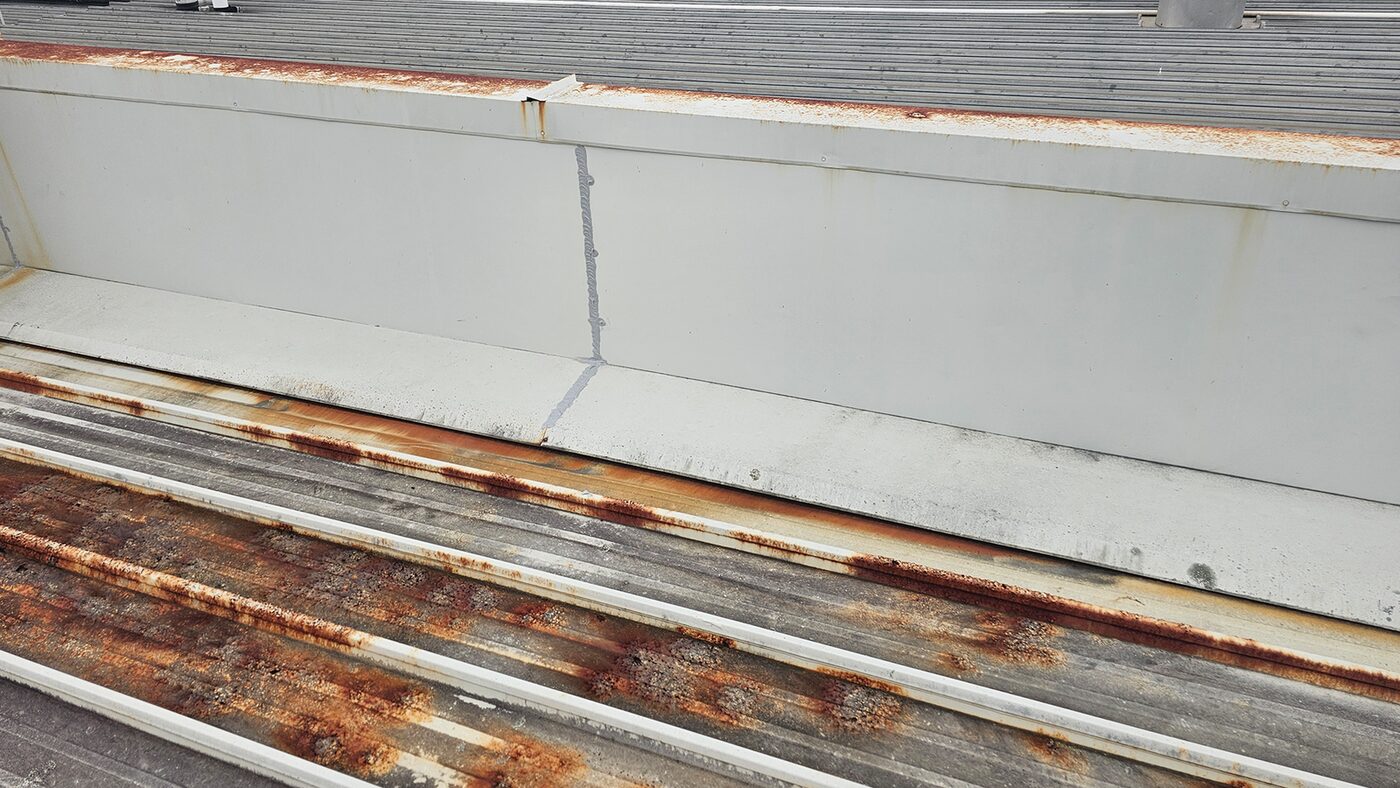
A construction condition survey Brisbane owners commission is a building condition survey: it evaluates the current state of an existing building, quantifies deterioration, classifies risk, and determines what intervention is warranted. The same engineering discipline applies before, during or after works on that asset, recording condition so owners can plan capital works with evidence. TRSC delivers building condition surveys, construction condition surveys and existing condition surveys across Brisbane, the Gold Coast and Southeast Queensland. Each condition survey produces a risk matrix: consequence severity (1–5) multiplied by likelihood of occurrence (1–5), following AS/NZS ISO 31000:2018. This matrix directly drives our Make Safe and Monitor hierarchy and justifies every intervention recommendation. Unlike a visual-only inspection, TRSC assessments are quantitative: we measure, test, and calculate rather than observe and estimate.
Our methodology distinguishes between three conditions that are routinely conflated: deterioration, structural inadequacy, and imminent failure. A concrete element with visible spalling may retain full structural capacity. A masonry wall with cracking may be stable under all credible load cases. These distinctions are commercially significant, an asset owner facing a major remediation recommendation based on visual inspection alone has every reason to commission a rigorous condition assessment before committing capital.
Every condition assessment includes a written remediation hierarchy: Monitor, Make Safe, Repair, Strengthen, Replace, in order of increasing intervention and cost. We identify which elements require which level of intervention, quantify the consequence of deferral, and specify what monitoring would be required to safely extend deferral periods. This allows asset owners and fund managers to make informed, defensible decisions about capital allocation across their portfolios.
Condition assessments are typically conducted periodically, annually, or following significant weather events or reported damage. TRSC designs condition monitoring systems that extend the interval between formal assessments by providing continuous or periodic data on structural behaviour, reducing ongoing engineering costs while maintaining appropriate risk management.
A pre condition survey, a property pre-condition survey and a pre construction survey are condition surveys of the building you own or manage, taken before renovation, alteration or remediation. An existing condition survey is the same record: cracking, movement and water damage on your asset, dated so later design and capital decisions can be compared with it. A dilapidation survey is a different service. It records a neighbouring property before your excavation, piling or demolition. See the dilapidation survey page for that scope.
Speak with an RPEQ-qualified structural engineer about this service.
Capabilities
Visual & Physical Condition Inspection
Systematic inspection using TRSC-developed protocols. Physical testing including tap testing, crack width measurement, cover depth checks, and surface hardness assessment alongside photographic documentation.
Risk Classification Matrix (AS/NZS ISO 31000:2018)
Structured risk evaluation for each inspected element. Consequence severity and likelihood of adverse outcome each rated 1–5, producing a risk matrix that directly informs intervention priority and urgency.
Deterioration Mapping & Photographic Documentation
Georeferenced mapping of defect types, extent, and severity. Photographic records indexed to inspection locations. Comparable format for repeat assessments to quantify deterioration rate over time.
Structural Capacity Evaluation
Engineering analysis of structural capacity based on observed condition. Where condition data indicates reduced capacity, quantified analysis is performed to determine residual margin against design loads.
Remediation Hierarchy Recommendation
Explicit recommendation for each defect category: Monitor, Make Safe, Repair, Strengthen, or Replace. Recommendations include cost-of-deferral analysis and monitoring requirements for extended deferral.
Lifecycle Maintenance Planning
Five- to twenty-year maintenance schedules calibrated to the structure's condition trajectory. Budget estimates for each maintenance intervention to support asset management planning.
Condition Monitoring System Design
Design of automated monitoring solutions, tiltmeters, crack gauges, strain gauges, and corrosion sensors, to provide continuous data between formal condition assessments.
RPEQ-Signed Condition Reports
All condition assessment reports are certified by a Registered Professional Engineer of Queensland. Reports are structured for use by legal, insurance, and asset management teams as well as engineering audiences.
Frequently Asked Questions
What is a structural condition assessment?
A structural condition assessment is an engineering evaluation of an existing structure that quantifies deterioration, classifies risk, and determines what intervention is warranted. TRSC structural condition assessments are conducted by RPEQ-qualified engineers and combine visual and physical inspection with measured testing, so findings are traceable to evidence rather than opinion. Each assessment produces a risk matrix and a remediation hierarchy that asset owners can use to justify capital decisions to boards, insurers, and regulators.
What is included in a condition assessment?
A TRSC condition assessment includes visual and physical inspection of accessible structural elements, photographic documentation, defect mapping, risk classification using a consequence by likelihood matrix, structural capacity evaluation where warranted, a remediation hierarchy recommendation for each defect category, and an RPEQ-signed report. The scope is adjusted to the asset type, age, and the decisions the owner needs to make.
When should I order a building condition survey before construction?
Order a building condition survey of your own asset before renovation, structural alteration, facade works, change of use, or major capital planning. The survey records cracking, corrosion, water damage and structural defects so design and remediation decisions rest on measured condition. If the requirement is a pre-construction record of neighbouring properties before excavation, piling or demolition, that is a dilapidation survey: see TRSC dilapidation survey services.
What is a pre-construction condition survey of my building?
A pre-works condition survey of your building is a documented engineering record of that asset before you start alteration, fit-out or remediation. An RPEQ inspects and photographs structural elements, records existing cracking, movement and water damage, and issues a dated report used for design, tender and later comparison. This is not the same as a dilapidation survey of adjacent properties. Dilapidation surveys protect developers and builders against neighbour damage claims; condition surveys tell you what is wrong with the building you own or manage.
What is a pre-condition survey?
A pre-condition survey is the same document as a pre-works condition survey: an engineering record of your own building before renovation, structural alteration, or remediation begins. TRSC engineers inspect and photograph structural elements, record existing cracking, movement, and water damage, and issue a dated report before works start. It is not a dilapidation survey of neighbouring properties.
Condition survey or dilapidation survey: which do I need?
Choose a construction condition survey, an existing condition survey, a pre condition survey or a property pre-condition survey when you need an engineering assessment of your own asset: a risk matrix, a remediation hierarchy, and a capital plan. A pre construction survey of your building is that same family, recorded before you alter the asset. Choose a dilapidation survey when you need a photo and video baseline of neighbouring properties before excavation, piling or demolition. The two reports are not interchangeable.
What is a post-construction condition survey?
A post-works condition survey is the follow-up inspection of your asset after alteration, remediation or nearby construction that may have affected it. The engineer re-inspects elements recorded in the pre-works baseline, documents any new or extended cracking, movement or water ingress, and reports whether the change is attributable to the works or to normal in-service behaviour. Paired pre and post surveys give owners, builders and insurers a defensible engineering basis for resolving claims. TRSC issues both surveys in a comparable format, signed by an RPEQ structural engineer.
How is the risk matrix used?
The risk matrix provides a structured, defensible basis for prioritising intervention. Each structural element or defect is assigned a consequence rating (1–5) and a likelihood rating (1–5). The product of these ratings determines the risk level, which maps directly to an intervention urgency: immediate Make Safe, planned repair within twelve months, monitor and review, or no action required. The matrix format ensures that limited capital is directed to the highest-risk elements first, and that deferral decisions are documented rather than assumed.
What happens after a condition assessment?
The condition assessment report is the starting point for decision-making, not the end. TRSC typically follows up with the asset owner to walk through findings, prioritise intervention items, and develop a scope of works for remediation design, or, where monitoring is the appropriate response, a condition monitoring system design. We can manage the full process from assessment through to RPEQ-certified remediation, or we can hand findings back to the owner's in-house team.
How does TRSC's approach differ from a standard engineering inspection?
Standard engineering inspections are typically visual-only, rely heavily on the inspector's experience and judgment, and produce qualitative recommendations. TRSC condition assessments are quantitative: we measure, test, and calculate rather than observe and estimate. The risk matrix framework means our recommendations are traceable to evidence rather than professional opinion, which matters when findings are used to justify capital expenditure or deferral to boards, insurers, or regulatory authorities.
Can a condition assessment replace a full structural investigation?
In some cases, yes. If the structural question is about condition rather than capacity, whether the structure is deteriorating and how quickly, a condition assessment may be sufficient. If the question is about whether the structure can carry a specific load, support a change of use, or meet a performance standard, a more detailed structural investigation with analysis is required. TRSC will advise on the appropriate scope during initial consultation, at no cost.
Book a consultation for Structural Condition Assessment & Building Condition Survey
Every engagement begins with a direct conversation with an RPEQ-qualified structural engineer. No sales intermediary, contact TRSC to discuss your asset and the scope of work required.
Other Services
All servicesDilapidation Survey
Engineer-Led Photo and Video Baseline of Neighbouring Property
Learn more →Structural Investigation
Evidence-Based Assessment of Existing Asset Capacity
Learn more →Structural Restoration & Remediation Design
Evidence-Based Structural Restoration, Repair & Strengthening for Existing Assets
Learn more →All TRSC Services
Locations We Serve
Need structural condition assessment & building condition survey for your project?
Get in touch