Engineering Blog
Technical articles, industry insights, and expert analysis on structural engineering, heritage conservation, and building investigation from the TRSC team.
When a Queensland Certifier Asks for a Form 15: What Sits Behind the Signature
A certifier cannot issue a Form 12 without an RPEQ-signed Form 15. Here's what that document must contain, and why the signature only carries weight when current investigation data sits behind it.
Bringing in a Specialist Without Starting a War: How Collaborative Structural Investigation Actually Works
Asset owners often hesitate to engage specialist investigators for fear of offending their existing engineer. Here is why that hesitation costs more than it saves.
Existing Buildings and the NCC Performance Pathway: What Engineers Actually Certify
Change of use and adaptive reuse projects need more than a structural check. This post covers where the NCC performance pathway sits, what engineers are actually certifying, and when Form 15 closes the certifier's file.
Wharf, Boardwalk, and Pile: What Coastal Structures Are Telling You Before They Fail
Marine structures deteriorate in ways that surface inspections cannot detect. Before your next inspection, here is what marina operators and council engineers need to ask, and why the answers will change what you spend on remediation.
Factories Near Sensitive Lines: Vibration Limits, Screening Measurements, and Structural Mitigation
When plant equipment sits close to a boundary, vibration limits and defensible monitoring records matter as much as the machinery itself.
Why Concrete Fails: A Plain-English Guide to Carbonation, Chloride Attack, and ASR
Concrete deteriorates through three primary mechanisms. Understanding what they are, how they're detected, and what the results mean is the first step to spending remediation budgets wisely.
Found a Defect. Now What? Why Identification Without Quantification Leaves You Exposed
Most structural reports list every visible defect. Few tell you how far each one extends or how serious it actually is. That gap costs building owners money.
Keeping the Lights On: Structural Investigation in a Working Hotel
Aging hospitality venues face structural pressures most engineers never see in new builds. Here's how Make Safe and Monitor strategies keep businesses trading while addressing real risk.
Earthquake Actions and Older Australian Buildings: A Plain-Language Guide for Asset Owners
Most Australian owners never think about seismic risk until an insurer or lender raises it. Here is what the standards actually require and when an assessment is warranted.
Salt, Tide, and Time: Why Marine Structures Deteriorate Faster Than Anyone Expects
Coastal structures face conditions no inland asset encounters. Here's what that means for pile assessment, deck surveys, and knowing when to act.
Cold-Formed Steel Purlins and Girts: What Aging Sheds Are Hiding Behind the Cladding
Screwed connections, edge corrosion, and local buckling are quietly degrading cold-formed steel sheds across regional Australia. Here is what to look for and how to act.
After the Fire: How Structural Engineers Assess Fire-Damaged Buildings
Fire changes concrete and steel at the molecular level. Here's how a post-fire structural assessment works, from first inspection to remediation recommendation.
Basement and Retaining Walls: Reading Cracks, Movement, and When to Call a Structural Engineer
Cracks and seepage in basement walls are not cosmetic. They are measurable indicators of soil pressure, drainage failure, and anchor behaviour that precede wall rotation or slab heave.
When the Phone Rings at 2am: Structural Emergency Response in Practice
Structural emergencies don't wait for business hours. Here's what the first 48 hours actually look like when a building fails.
Salt, Tide, and Time: Why Marine Structures Deteriorate Faster Than You Think and What to Do About It
Coastal structures face conditions no inland asset ever encounters. Here's how wharf and boardwalk deterioration actually works, and why standard inspection methods fall short.
Above the Street: What Building Owners Must Know About Facade Assessment Before Something Falls
Australia's aging commercial building stock is hitting the age range where facades start to fail. Here's what a facade assessment actually involves and why the cost of ignoring it is far higher than the cost of knowing.
Make Safe and Monitor: Why the First Response to Deteriorating Concrete Should Not Be Demolition
Spalling concrete does not automatically mean replacement. TRSC's five-level hierarchy starts with the least invasive action and escalates only when evidence demands it.
Concrete Does Not Last Forever: Understanding Carbonation, Chloride Attack, and ASR
Three chemical processes are quietly degrading concrete structures across Australia. Here is how to identify which one you are dealing with and what the test results actually mean.
Before the Body Corporate Votes: What Strata Committees Need to Know About Defect Reports
Strata committees routinely approve million-dollar remediation programmes based on reports that describe problems but not their actual severity. Here is what to ask before you vote.
The Evidence That Decides Whether Concrete Gets Repaired or Demolished
The decision to repair or demolish a deteriorated concrete structure should be made at the end of an investigation, not the beginning. Residual capacity testing, deterioration rate modelling, and proper defect characterisation are what separate a proportionate response from an expensive mistake.
Knowing Without Breaking: How Non-Destructive Testing Changes What You Can Learn About a Building
GPR, Ferroscan, UPV, Schmidt Hammer, half-cell potential: each NDT method answers a different question. Here's when to use them and when destructive testing is still necessary.
Above the Street: What Building Owners Need to Know Before a Facade Becomes a Liability
Australia's aging commercial building stock is reaching the point where facade elements fail without warning. Here's what a proper assessment looks like and why it matters.
Treating the Symptom or the Cause: Why Structural Repairs Fail and What Forensic Root Cause Analysis Actually Costs
Patching cracks and painting over rust staining are not repairs. They are deferrals. Here is what forensic root cause analysis looks like and why skipping it costs more.
Form 12 vs Form 15 QLD | What Each Certificate Does
Form 12 and Form 15 are different Queensland certificates. Here is what each one covers, who signs it, and how a missing Form 15 can stall a project.
Forensic Engineering vs Structural Inspection: What the Difference Costs You in Court and on a Claim
A structural inspection records what is visible. Forensic engineering determines why it happened, when it started, and who is responsible. That distinction regularly determines the outcome of insurance claims and construction disputes.
Long-Term Structural Monitoring: Turning Reactive Maintenance into Planned Asset Management
Continuous structural monitoring converts unpredictable repair bills into planned maintenance cycles. Here is what the technology involves and why the business case is compelling.
Repair or Replace: How to Make the Right Call on Deteriorated Concrete Structures
When concrete deteriorates, the choice between remediation and demolition is rarely obvious. Here is how to make that decision on evidence, not assumption.
Wind Loads on Low-Rise Commercial Buildings: What Owners Need to Know Before Cladding or Signage Work
Ad hoc cladding changes and large signage can silently exceed what a commercial building was originally designed for. Here's what AS/NZS 1170.2 actually requires.
When the Engineer Says 'Spalling Concrete', the Answer Is Not Always a Wrecking Ball
A 30-year-old carpark shows spalling concrete and exposed rebar. Before you call a demolition contractor, read this.
When the Drawings Don't Exist: Using LiDAR to Document What Decades of Modifications Have Buried
Many existing buildings have no current drawings, or originals that bear no resemblance to what was actually built. Here's how 3D laser scanning fills that gap.
When Do You Need a Structural Engineer for an Existing Building?
Not every building concern requires a structural engineer, but some situations demand more than a visual inspection. This guide covers the six key scenarios where specialist structural assessment adds real value to decision-making for existing buildings.
Carbon Fibre Strengthening for Concrete Structures: When It Works and When It Does Not
CFRP strengthening can restore load-carrying capacity in beams, slabs, and columns without structural replacement. But the system is bond-critical, fire-unrated by default, and incompatible with active corrosion. Here is when it works and when it does not.
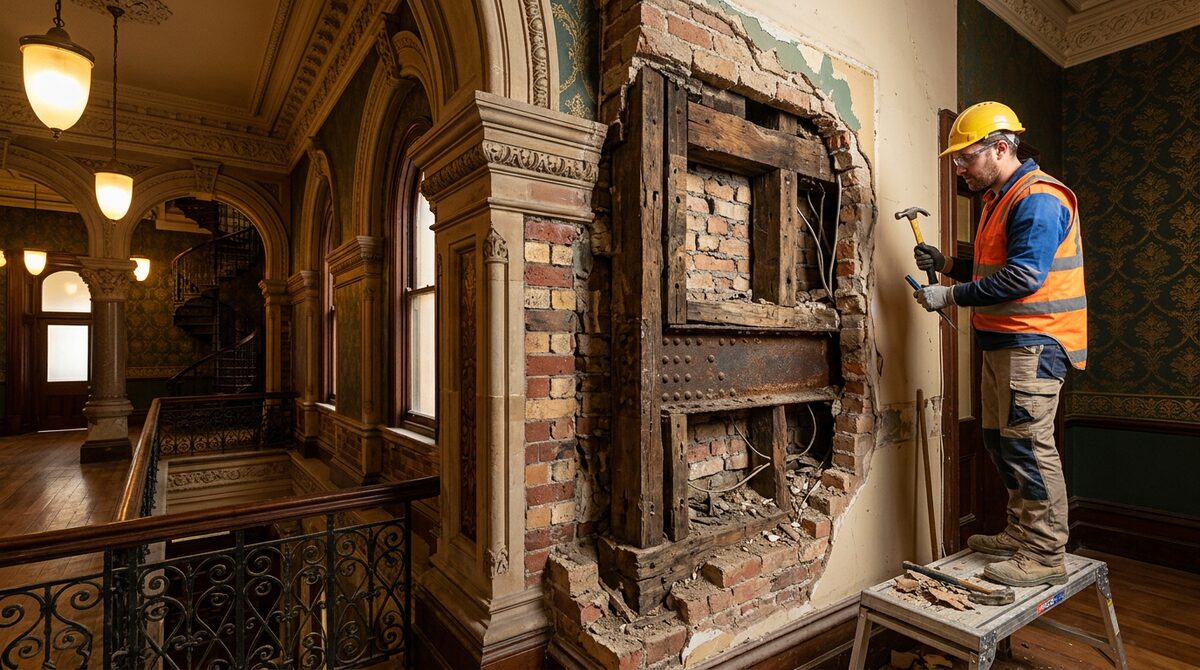
What's Living Inside Your Heritage Building Walls and Why You Need to Know
Heritage buildings hide decades of undocumented changes behind beautiful facades. Here's what a proper structural investigation actually finds, and why the numbers rarely look the way you expected.
What the Walls Don't Show: Inside a Heritage Building Investigation
Heritage buildings hide decades of undocumented changes behind beautiful facades. Here's what a real investigation finds, and why it changes everything.
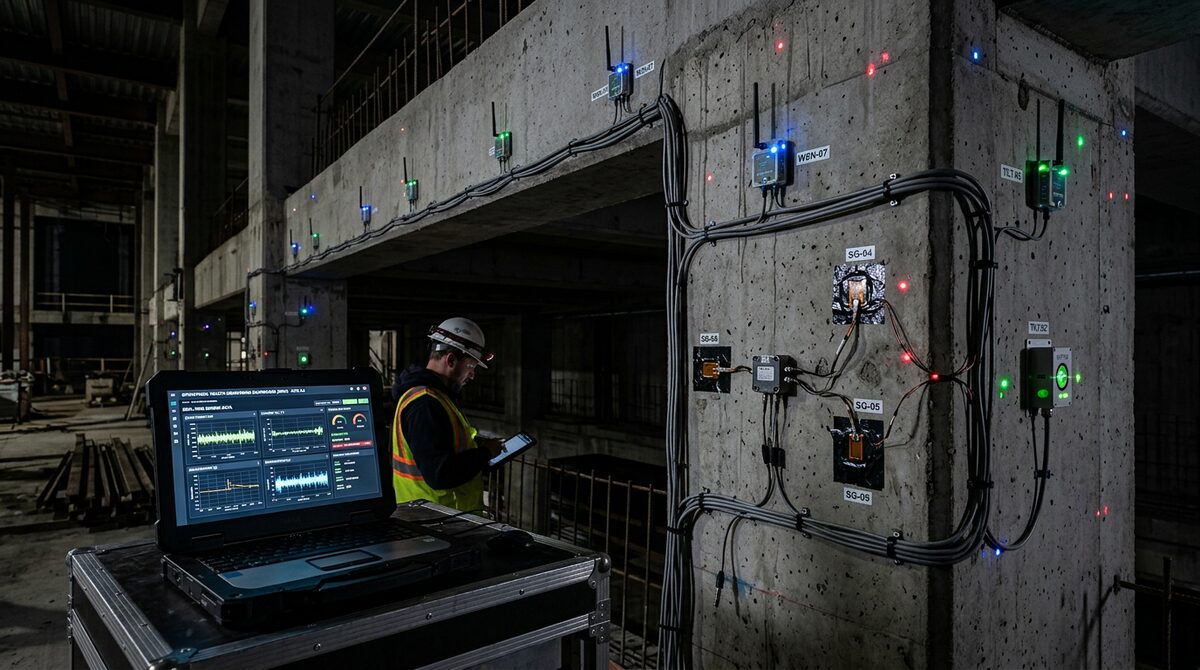
What the Building Knows That You Don't: The Case for Real-Time Structural Monitoring
A building that settles 0.5mm per month tells a different story from one that moved 6mm overnight. Continuous sensor data separates slow deterioration from sudden events.
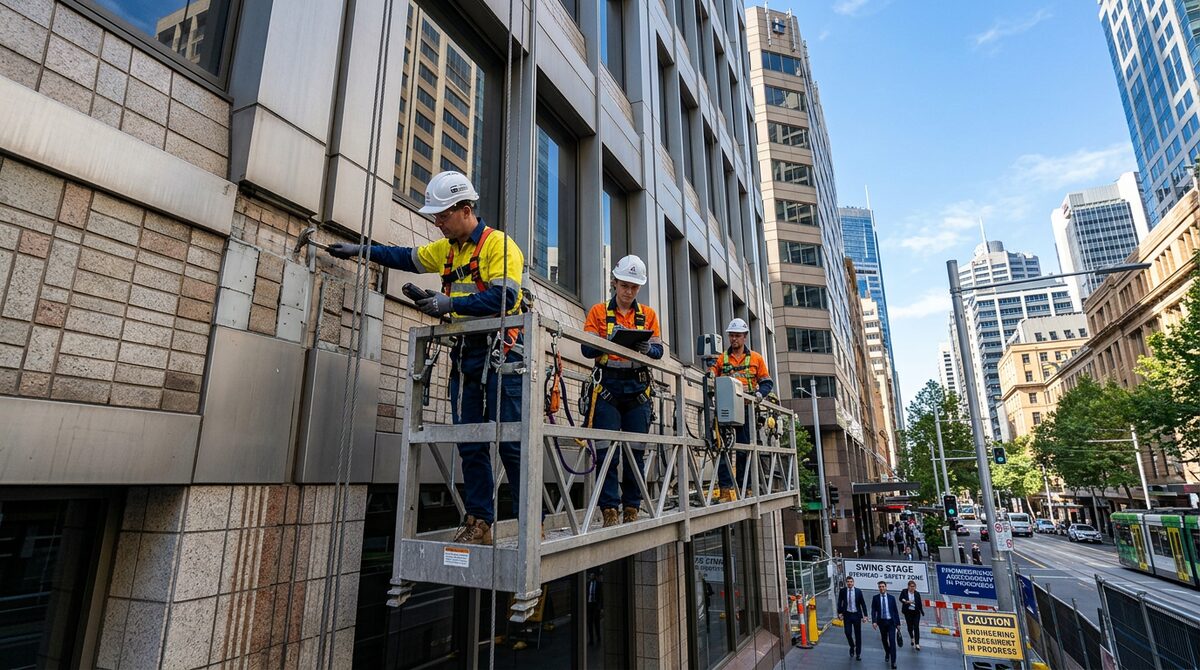
What Falls From Above: A Building Owner's Guide to Facade Assessment Before It Becomes a Crisis
Australia's older high-rise buildings are reaching the age when facades begin to fail, quietly at first, then without warning. Here's what a proper facade assessment involves and why it matters.
Warehouse Assumptions That Show Up in Failure Investigations: Slabs, Racks, and Mezzanines
Increasing storage height or adding a mezzanine reveals assumptions baked into the original slab design. Here's what engineers look for before signing off.
Trees, Clay Soils, and Residential Footings: Crack Patterns That Justify a Structural Visit
Seasonal moisture swings around large trees on reactive clay produce characteristic cracks that patch-and-paint cycles never fix. Here's how to read them.
Trading While Cracking: Structural Investigation in Aging Hospitality Venues
Aging hotels and pubs face structural challenges that can't wait - but neither can the business. Here's how methodical investigation keeps venues trading while addressing what actually matters.
Tilt-up and Precast Industrial Buildings: What Fails First at the Connections
Panel-to-panel joints, embedded plates, and shelf angles are where tilt-up and precast sheds quietly deteriorate. Here's what to look for and how to investigate without guessing.
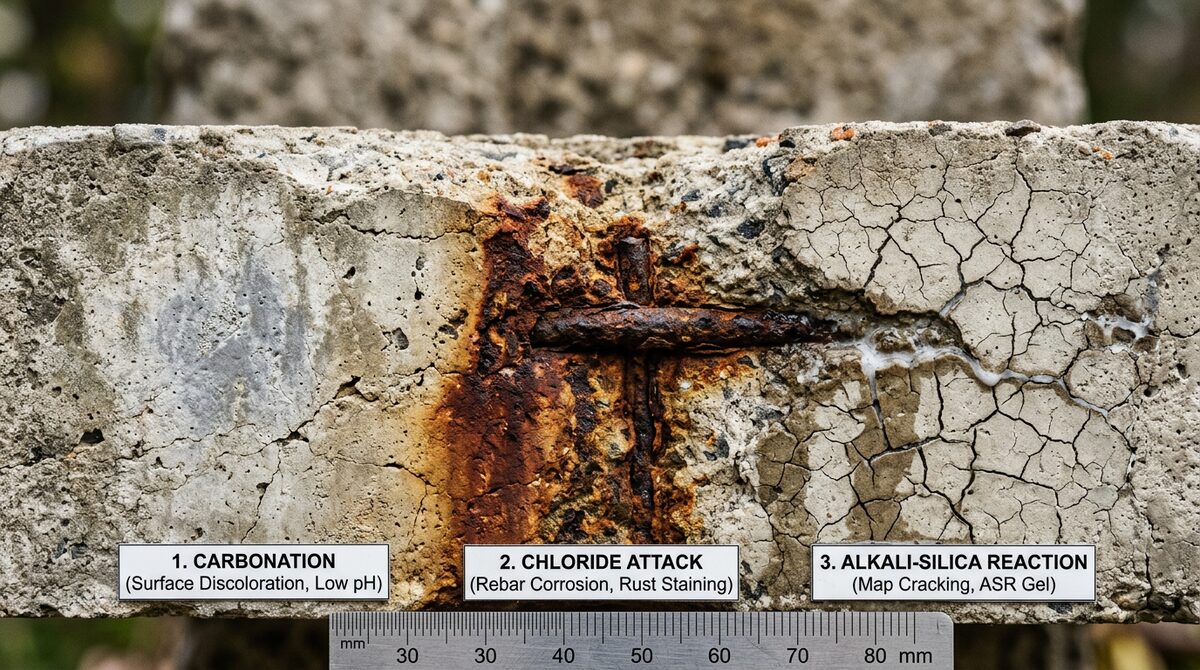
Three Ways Concrete Quietly Destroys Itself and How to Tell Which One You're Dealing With
Carbonation, chloride attack, and ASR are the three primary mechanisms that degrade concrete. Here's how each works, how it's detected, and what the results mean.

The Report on the Table: What Strata Committees Are Actually Approving When They Sign Off on Remediation
Most strata committees approve remediation spending based on defect reports alone. Here's why that's not enough, and what to ask before the money leaves the sinking fund.
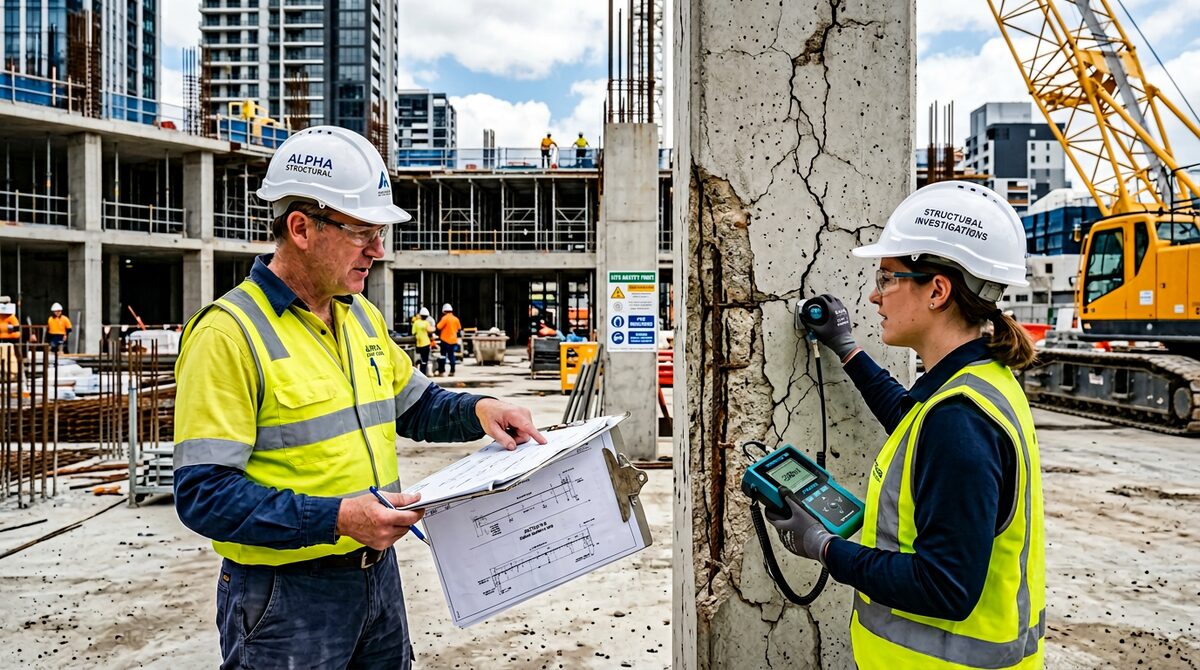
The Other Engineer in the Room: How Specialist Investigation Works Alongside Your Existing Structural Engineer
Bringing in a specialist investigator doesn't mean replacing your existing engineer. Here's how collaborative structural investigation actually works in practice.
Condition Assessment vs Dilapidation Survey: Which One Do You Need?
Two different reports, two different purposes. Confusing them can leave you exposed legally or structurally. Here's how to tell them apart.
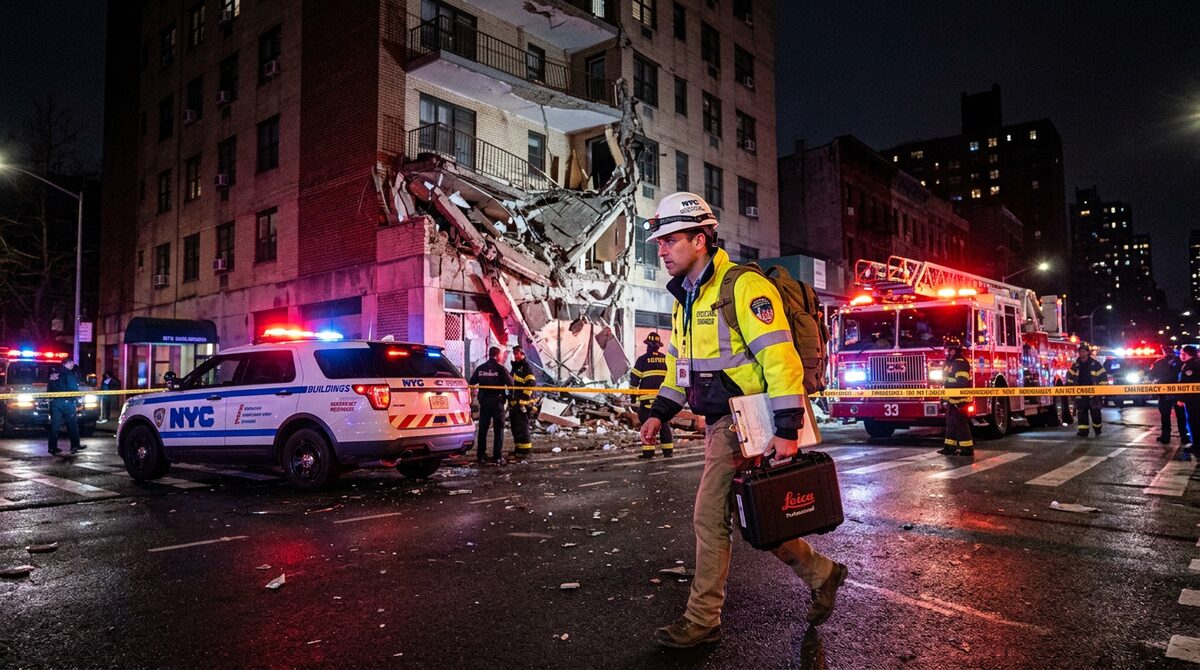
The 2am Call: What Actually Happens in the First 48 Hours of a Structural Emergency
When a storm, fire, or impact event compromises a building, the first 48 hours determine everything. Here's what a real structural emergency response looks like.
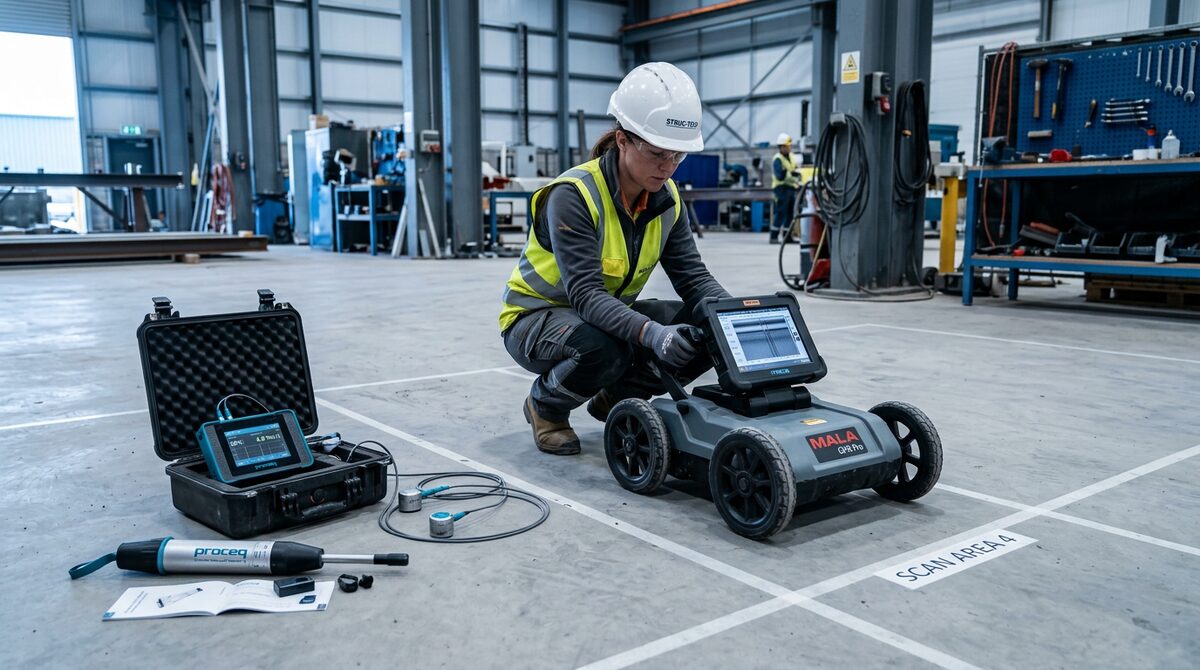
Testing Without Breaking: A Practical Guide to Non-Destructive Investigation in Structural Engineering
Before you drill a single core or break out a panel, there's a better way to understand what's happening inside your structure. Here's how NDT actually works.
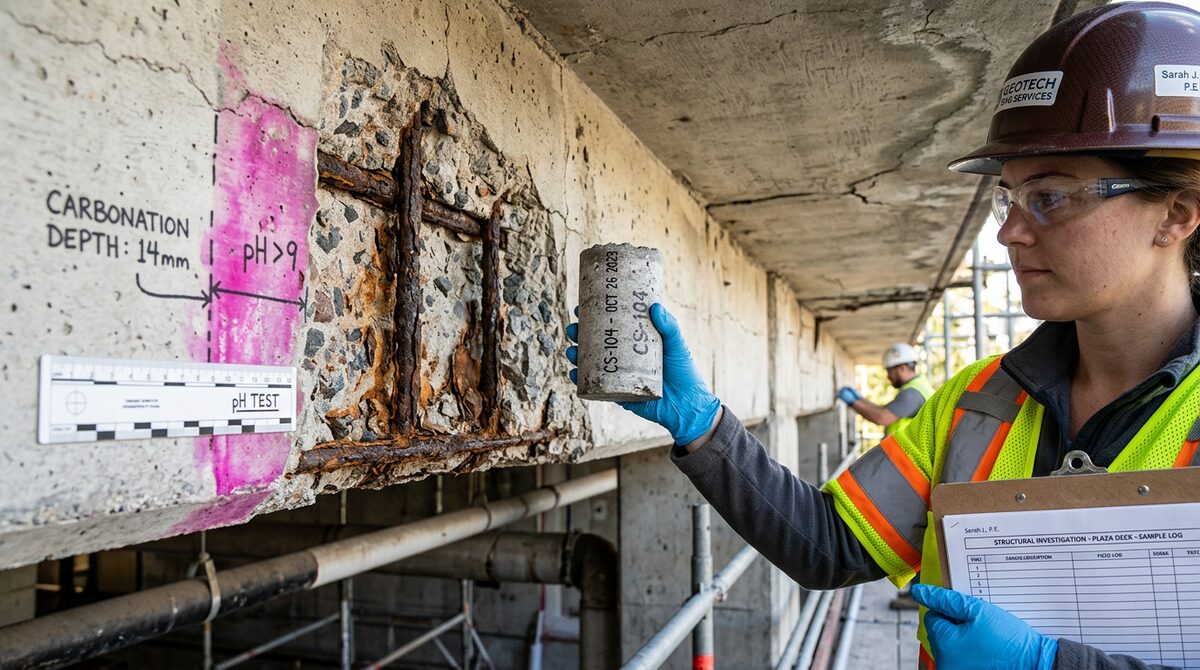
Spalling Concrete Doesn't Mean Demolition: The Case for Starting With Evidence
When concrete starts falling from a carpark structure, the instinct is to act fast and spend big. There's a better first move.
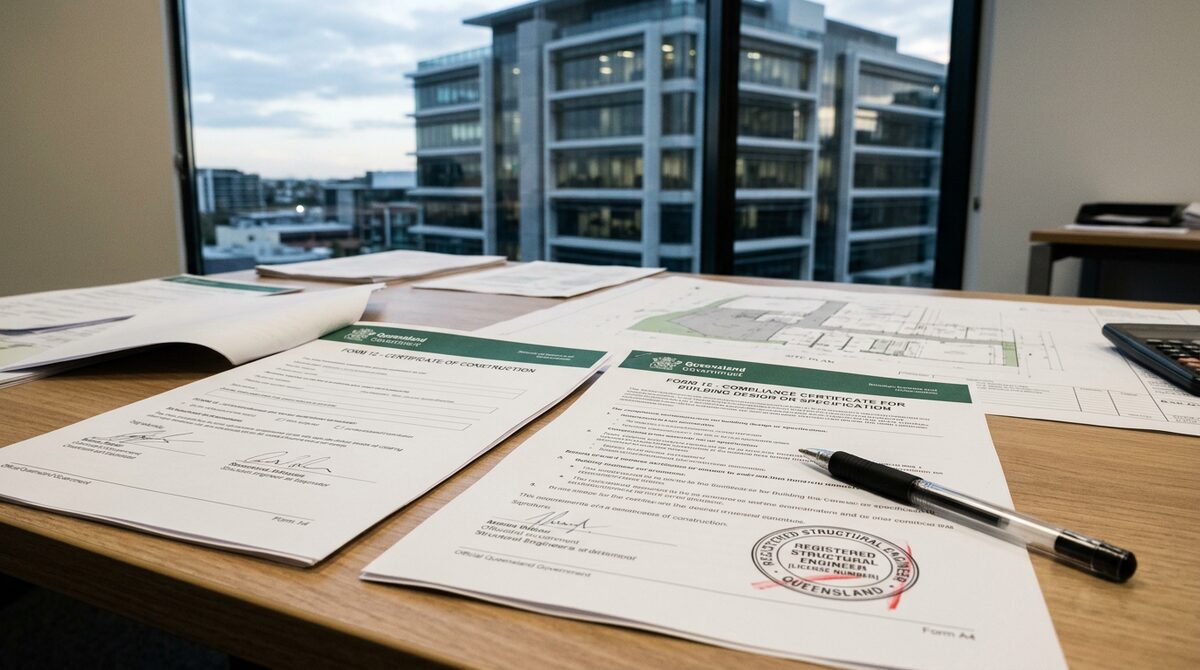
Form 15 QLD vs Form 12 | RPEQ Sign-Off for Projects
Form 15 QLD vs Form 12 for Queensland building owners: what RPEQ sign-off actually means, and when each certificate is required.
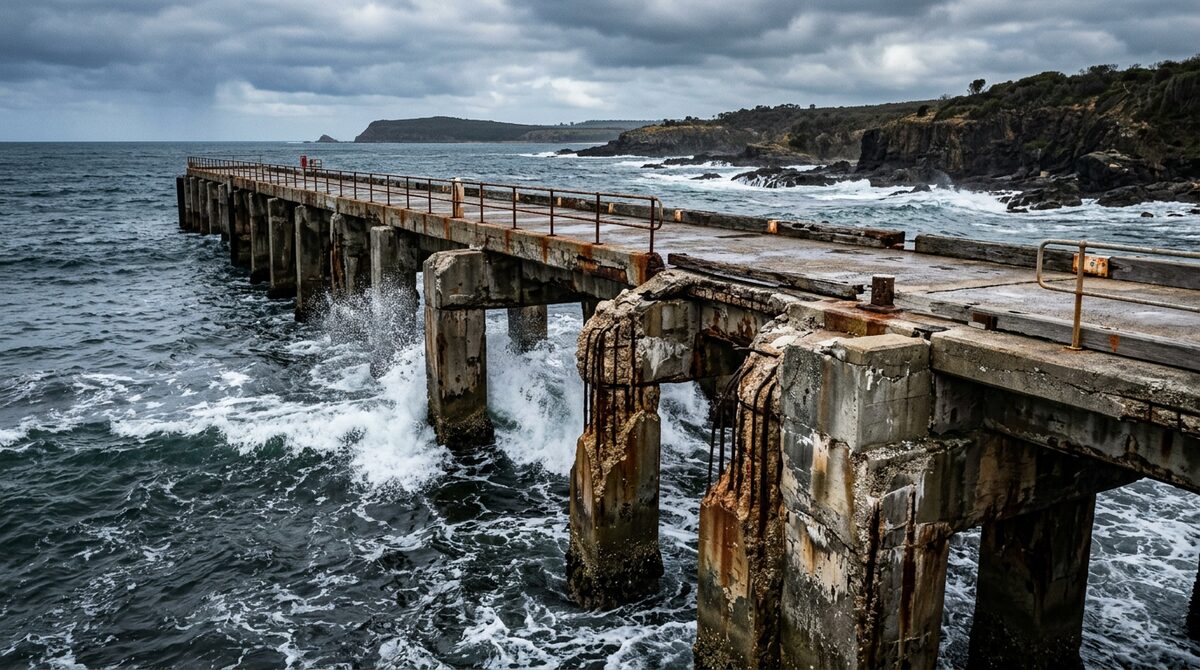
Salt, Tide, and Time: Why Marine Structures Deteriorate Faster Than Anyone Expects
Coastal structures face a category of deterioration that inland assets simply don't. Here's what marina operators and council engineers need to understand before the next inspection.
Podium Pools and Wet Decks: How Chronic Leakage Accelerates Reinforcement Corrosion
A failed pool membrane is a waterproofing problem. What it leaves behind in the concrete beneath is a structural one. Here's what asset managers need to understand.