Post-Disaster Structural Assessment
Rapid Assessment and Recovery Planning Following Catastrophic Events
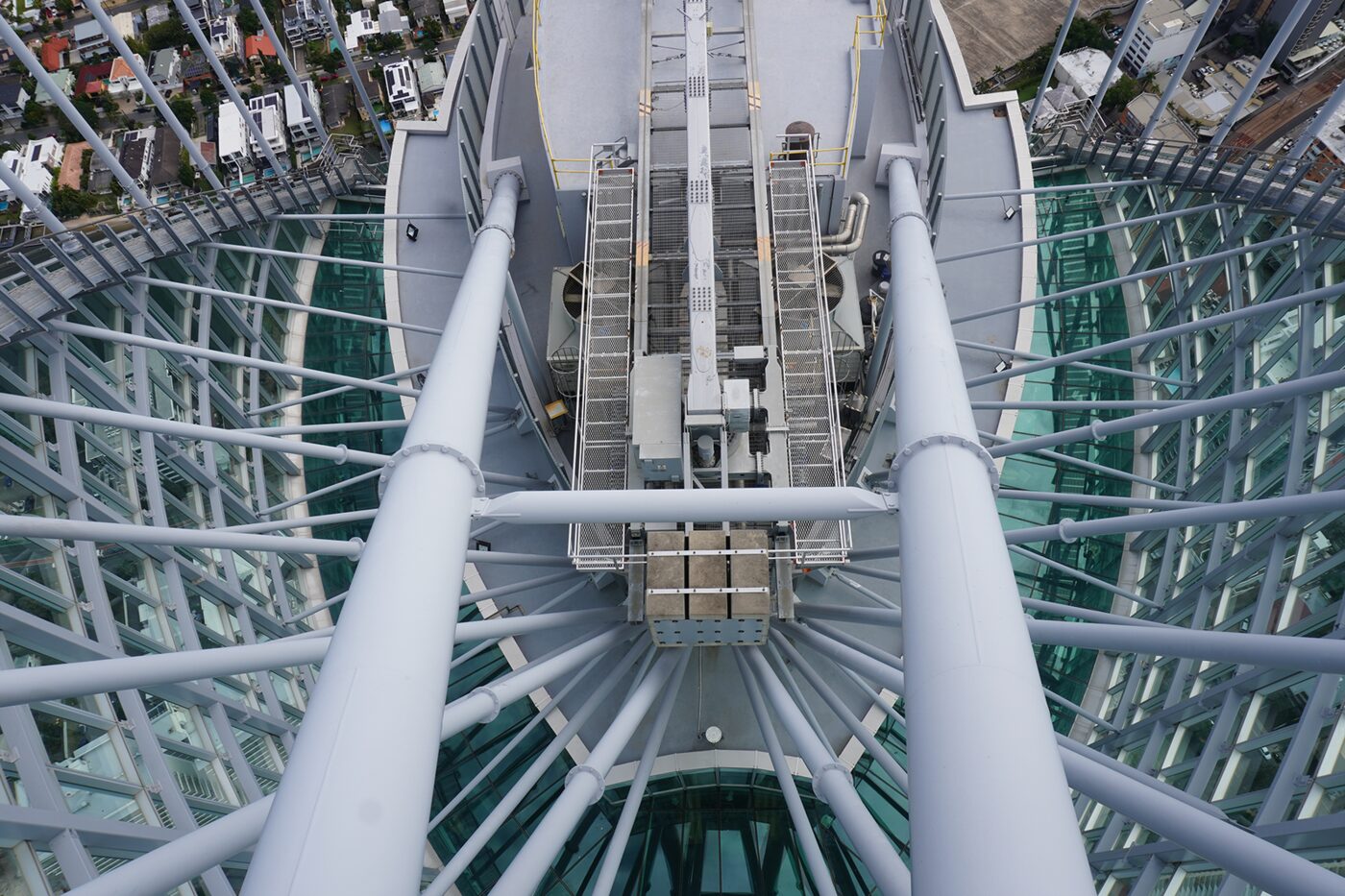
Post-disaster structural assessment is the rapid engineering evaluation of a building's structural safety and residual capacity following a cyclone, fire, flood, explosion, or other catastrophic event. When a structure is damaged by cyclone, fire, flood, or explosion, two questions arise immediately: is it safe to enter, and what will it take to restore it? TRSC provides answers to both, rapidly, accurately, and with the RPEQ certification that authorities, insurers, and asset owners require. Our rapid response capability is built on pre-existing protocols, trained engineers, and established contractor relationships that enable 48-hour mobilisation across Southeast Queensland.
Post-disaster assessment differs from standard investigation in three ways. It is urgent: occupants, authorities, and insurers await the engineering determination before any subsequent decision. It is ambiguous: the structure has been subjected to loads it was not designed for, potentially in ways that are not immediately visible. And it carries legal and insurance complexity requiring engineering documentation to a higher standard of completeness. TRSC engineers are trained across all three dimensions.
We responded to Cyclone Albert at Q1 Tower in March 2025, a 322.5m structure requiring emergency assessment across nine building management unit (BMU) drops, with make-safe works completed within 48 hours of landfall. We conducted post-fire assessment at the Victory Hotel following significant fire damage to the 1855 heritage masonry building. We have responded to multiple flood and storm events across Southeast Queensland. Each response has been documented, RPEQ-certified, and used as the basis for re-occupancy certification or reconstruction planning.
Every post-disaster assessment includes: structural safety determination for re-occupancy or exclusion, damage documentation for insurance claims, make-safe design and supervision, investigation of cause and extent of structural damage, and recovery pathway planning from immediate stabilisation through to full remediation. We coordinate with emergency services, building certifiers, and heritage authorities as required.
Speak with an RPEQ-qualified structural engineer about this service.
Capabilities
Emergency Structural Safety Assessment (24–48 Hour Response)
Rapid mobilisation to assess structural safety following a disaster event. Initial assessment focuses on immediate re-occupancy or exclusion determination, with preliminary written findings issued within hours of completing on-site inspection.
Structural Safety Certification for Re-Occupancy
RPEQ-signed certification confirming a structure is safe for re-occupancy, with any conditions attached. Required by local authorities and insurers before a building can be reopened following structural damage.
Damage Documentation & Photographic Records
Damage documentation for insurance and legal purposes. Georeferenced photographic records, damage extent mapping, and cause-of-damage determination to AS 1170 and relevant wind, flood, and fire standards.
Make-Safe Design & Supervision
Structural design of immediate make-safe works, temporary propping, debris removal sequencing, façade stabilisation, and access restriction, to restore a minimum level of structural safety without committing to full remediation.
Post-Disaster Investigation & Capacity Assessment
Detailed investigation of damaged elements to quantify residual structural capacity. Determines what can be retained, what must be replaced, and what the implications are for adjacent undamaged elements.
Recovery & Reconstruction Pathway Planning
Structured recovery plan from immediate make-safe through to full restoration or reconstruction. Sequenced to allow partial re-occupancy and commercial operation to resume as quickly as engineering evidence supports.
Insurance Liaison & Expert Documentation
Engineering reports and expert documentation prepared in the format required by insurers and loss adjusters. Includes cause-of-damage opinion, cost-to-repair assessment, and betterment analysis where relevant.
RPEQ Form 15/12 Certification
Form 15 structural adequacy certification and Form 12 classification documentation for post-disaster scenarios, including re-occupancy certification, post-remediation certification, and reconstruction compliance certification.
Frequently Asked Questions
How quickly can TRSC respond to an emergency?
TRSC maintains 48-hour mobilisation capability across Southeast Queensland for declared disaster events. For assets in the Brisbane–Gold Coast corridor, same-day response is typically achievable. Response time depends on access availability, site safety conditions, and the volume of simultaneous events. TRSC's Cyclone Albert response at Q1 Tower demonstrated 48-hour make-safe completion for a 322.5m high-rise structure, one of the most complex post-cyclone scenarios in Queensland in recent years.
What is covered in a post-disaster structural assessment?
A TRSC post-disaster structural assessment covers: initial safety determination (safe to enter / exclude / conditional re-occupancy); structural damage documentation; cause-of-damage analysis; residual capacity assessment of damaged elements; make-safe recommendations and design; recovery pathway planning; and RPEQ-certified reports for authority, insurer, and asset owner use. The scope is tailored to the specific disaster type, cyclone, fire, flood, and explosion each produce different damage patterns requiring different investigation approaches.
Can TRSC certify a building for re-occupancy after a disaster?
Yes. TRSC provides RPEQ-signed re-occupancy certificates confirming that a structure is structurally safe to reoccupy following a disaster event. These certificates are accepted by Queensland local authorities, state government agencies, and insurers. Re-occupancy certification may be conditional, for example, restricting access to certain areas or imposing load limits, and TRSC will specify any conditions clearly in the certificate documentation.
Does TRSC provide insurance documentation?
Yes. TRSC engineers are experienced in preparing structural engineering evidence for insurance claims, including damage cause-and-extent reports, cost-to-restore assessments, betterment analysis, and expert engineering opinions. We work directly with loss adjusters and insurers' engineering consultants where required. Our documentation is structured to meet the evidentiary requirements of the claims process, including chain-of-custody for sampling and testing where causation is disputed.
How does TRSC coordinate with emergency services?
TRSC works within the incident control structure of Queensland Fire and Emergency Services (QFES) and Queensland Police Service (QPS) during active emergency events. Our engineers are familiar with emergency management protocols and can provide structural engineering advice to incident controllers on matters such as collapse risk, search and rescue access safety, and structural stability of fire-damaged buildings. Once emergency services have cleared the site, TRSC transitions to the assessment and recovery phase.
Book a consultation for Post-Disaster Structural Assessment
Every engagement begins with a direct conversation with an RPEQ-qualified structural engineer. No sales intermediary, contact TRSC to discuss your asset and the scope of work required.
Other Services
All servicesStructural Investigation
Evidence-Based Assessment of Existing Asset Capacity
Learn more →Structural Condition Assessment & Building Condition Survey
Building, Existing and Construction Condition Surveys with RPEQ Reporting
Learn more →Dilapidation Survey & Pre-Construction Reports
RPEQ-Certified Pre-Construction Dilapidation Documentation for Adjacent Properties
Learn more →All TRSC Services
Locations We Serve
Need post-disaster structural assessment for your project?
Get in touch