Dilapidation Survey Brisbane
RPEQ-Certified Pre-Construction Dilapidation Documentation for Adjacent Properties
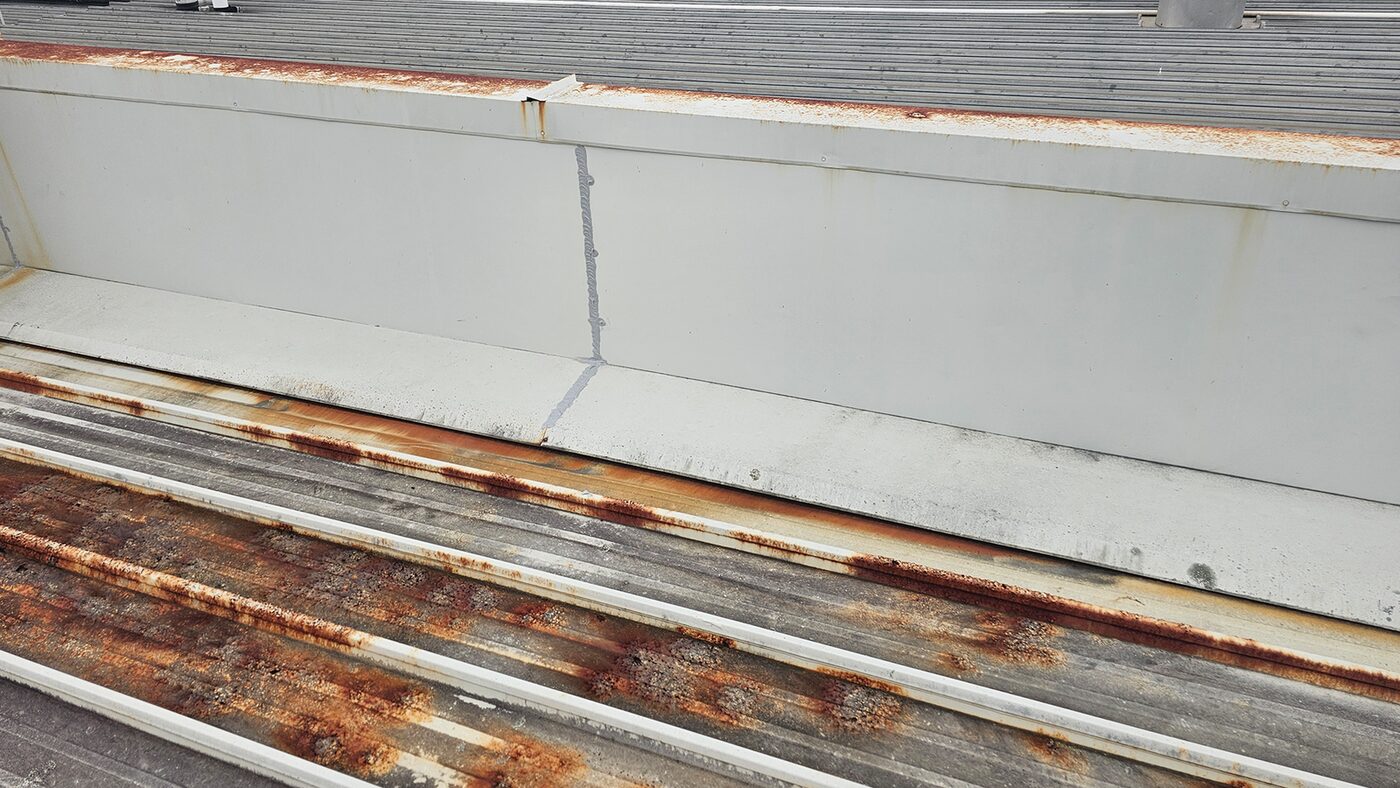
TRSC dilapidation survey Brisbane work is a formal pre-construction condition record of neighbouring properties, documenting existing defects before excavation, demolition, piling, or structural works commence. TRSC dilapidation surveys are conducted by RPEQ-qualified structural engineers, not technicians or building inspectors. The distinction matters: an engineer-led survey identifies structural defects that affect capacity, not just cosmetic condition, producing documentation that holds up under insurance scrutiny, legal challenge, and regulatory review. This is not a building condition survey of your own asset; for risk-classified assessment of the building you own or manage, use TRSC construction condition survey services.
Every TRSC dilapidation report includes high-resolution photographic documentation, video walkthrough records, precise measurements and level surveys where settlement risk exists, defect classification following relevant Australian Standards, and RPEQ-signed conclusions. We inspect internal and external walls, floors, ceilings, roof structures, retaining walls, boundary fencing, driveways, paths, and service areas. The report establishes a clear baseline: any subsequent change is measurable against documented pre-existing condition.
Dilapidation surveys are required before excavation adjacent to existing structures, basement construction, piling, retaining wall works, demolition of neighbouring buildings, and any construction activity that could transmit vibration, settlement, or lateral movement to adjacent properties. Queensland planning conditions and the Planning Act 2016 frequently mandate dilapidation surveys as a condition of development approval. Without a pre-construction record, developers and builders have no defence against damage claims, even where the defect was pre-existing.
TRSC delivers dilapidation reports within two business days for standard residential and commercial properties across Brisbane, Gold Coast, and Southeast Queensland. For complex commercial assets or multi-property surveys, turnaround is agreed at scope confirmation. Reports are issued as signed PDF documents with a complete digital image and video library. We also provide optional settlement monitoring using digital levelling tools where excavation depth or ground conditions warrant ongoing observation.
Speak with an RPEQ-qualified structural engineer about this service.
Capabilities
RPEQ Engineer-Led Site Inspection
Every dilapidation survey is conducted by an RPEQ-registered structural engineer who assesses and interprets findings. Structural significance is identified on site, not by a technician following a checklist.
High-Resolution Photo and Video Documentation
Comprehensive 4K video walkthrough and time-stamped photographic records of all accessible structural and non-structural elements. Digital library provided with the report.
Defect Classification to Australian Standards
Defects classified by type, severity, and structural relevance. Classification follows relevant Australian Standards where applicable, producing documentation accepted by insurers and courts.
Settlement and Level Monitoring
Digital levelling surveys to establish baseline levels at critical points. Monitoring plans designed for ongoing observation where excavation depth, soil conditions, or structural sensitivity warrant it.
Pre-Construction Risk Assessment
Assessment of construction-related risks to adjacent structures, including vibration transmission, ground movement, dewatering effects, and lateral earth pressure changes.
Multi-Property and Commercial Surveys
Coordinated survey programmes for developments affecting multiple adjacent properties. Strata building surveys covering common areas, individual lots, and shared infrastructure.
Insurance and Legal Documentation
Reports structured for use as evidence in insurance claims, legal proceedings, and dispute resolution. Chain of custody maintained for all photographic and measurement records.
RPEQ-Signed Report with Two-Day Turnaround
Standard reports issued within two business days. RPEQ certification included on all survey reports. Digital delivery with optional stakeholder briefing.
Frequently Asked Questions
What is a dilapidation survey?
A dilapidation survey is a pre-construction condition assessment that documents the existing state of neighbouring properties before construction, excavation, or demolition works begin. The survey records all visible defects, structural elements, and property condition through photographic, video, and written documentation. It creates a legally defensible baseline that protects developers, builders, and property owners from unfounded damage claims arising during or after construction.
Do you provide a dilapidation survey Brisbane service?
Yes. A dilapidation survey Brisbane programme covers adjacent properties before excavation, piling, demolition or basement works. TRSC engineers inspect, photograph and video the neighbouring fabric, then issue an RPEQ-signed pre-construction dilapidation report, typically within two business days for a standard property.
Dilapidation survey or building condition survey?
A dilapidation survey records neighbouring properties before your construction starts. A building or construction condition survey assesses the asset you own or manage: deterioration, risk matrix, and remediation priority. If planning conditions ask for a pre-construction dilapidation report on adjacent lots, book dilapidation. If you need to know what is wrong with your building before capital works, book a condition survey.
When is a dilapidation survey required in Brisbane?
A dilapidation survey is typically required before excavation adjacent to existing structures, basement construction, piling works, retaining wall construction, demolition of neighbouring buildings, and construction activities that could cause vibration or ground movement. Queensland planning conditions frequently mandate dilapidation surveys as a condition of development approval under the Planning Act 2016. Even when not mandated, a pre-construction survey is strongly recommended as a risk management measure for any project adjacent to existing structures.
Who should conduct a dilapidation survey?
A dilapidation survey should be conducted by an RPEQ-certified structural engineer, not a building inspector or technician. An engineer identifies structural significance during the inspection, distinguishing between cosmetic defects and those with structural implications. RPEQ certification ensures the report is accepted by insurers, courts, and regulatory authorities. Reports signed by unregistered practitioners may not be accepted as evidence in Queensland.
How long does a dilapidation survey take?
For a standard residential property, the on-site inspection typically takes one to two hours. For commercial properties or multi-property surveys, inspection time varies based on property size and complexity. TRSC delivers completed reports within two business days of the site inspection for standard surveys. Complex commercial surveys may require additional time, which is confirmed at scope agreement.
What does a dilapidation report include?
A TRSC dilapidation report includes: RPEQ engineer-signed assessment and conclusions; high-resolution photographic documentation of all accessible areas; 4K video walkthrough recordings; written descriptions of existing defects with location reference; property plans identifying defect locations; settlement and level monitoring data where applicable; and digital delivery of the complete image and video library. Reports are structured for use by builders, developers, insurers, legal representatives, and regulatory authorities.
Book a consultation for Dilapidation Survey & Pre-Construction Reports
Every engagement begins with a direct conversation with an RPEQ-qualified structural engineer. No sales intermediary, contact TRSC to discuss your asset and the scope of work required.
Other Services
All servicesStructural Condition Assessment & Building Condition Survey
Building, Existing and Construction Condition Surveys with RPEQ Reporting
Learn more →Structural Investigation
Evidence-Based Assessment of Existing Asset Capacity
Learn more →Form 15 & Form 12 RPEQ Certification
RPEQ Structural Adequacy Certification for Existing Buildings Under Queensland Building Regulations 2021
Learn more →All TRSC Services
Locations We Serve
Need dilapidation survey & pre-construction reports for your project?
Get in touch