Structural Defect Investigation
Evidence-Based Assessment of Building Defects and Damage
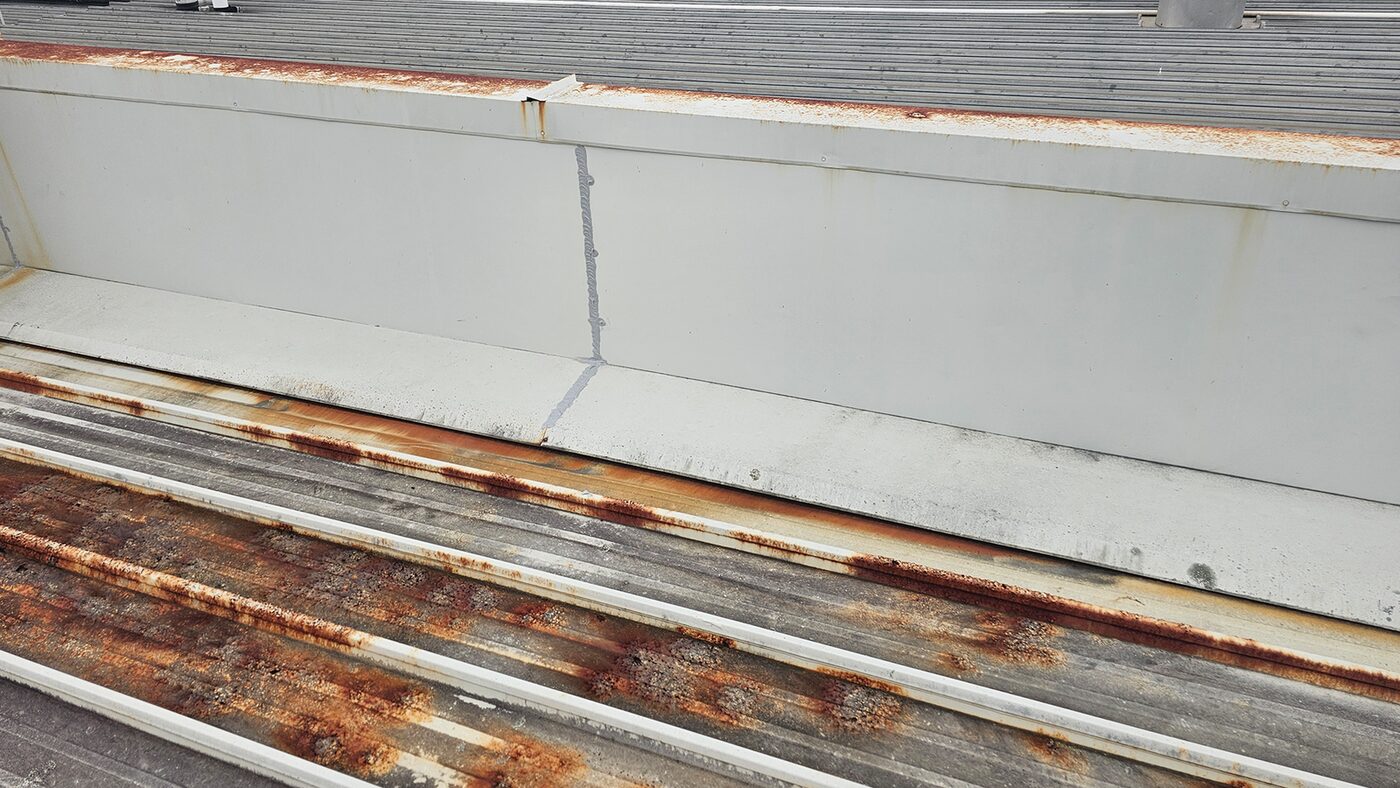
Structural defect investigation identifies the type, cause, and severity of defects in existing buildings through systematic inspection, testing, and engineering analysis. When cracks appear in walls, floors move, doors stick, or visible damage develops without an obvious cause, the first step is to determine whether the issue is cosmetic or structural. TRSC provides that determination through evidence-based investigation, not visual inspection alone. We identify the mechanism driving the defect, assess its structural consequences, and provide clear guidance on whether intervention is required and how urgent it is.
The investigation process begins with a detailed site inspection documenting crack patterns, displacement measurements, and visual indicators of structural distress. Non-destructive testing including GPR scanning, cover meter surveys, and level surveys quantifies conditions that are not visible from the surface. Where foundation movement is suspected, we install monitoring points and conduct level surveys to measure ongoing settlement or heave. Material samples are extracted for NATA-certified laboratory analysis where concrete or masonry degradation is a factor. The data from each phase informs the engineering assessment of cause, severity, and intervention requirements.
Brisbane and Southeast Queensland present specific defect patterns related to local conditions. Reactive clay soils cause foundation movement during seasonal moisture cycles, producing characteristic diagonal cracking in masonry walls. Tree root systems extract moisture from reactive soils, accelerating differential settlement. Poor site drainage concentrates water against footings, undermining bearing capacity. Construction defects from inadequate reinforcement, insufficient concrete cover, or non-compliant footing design contribute to structural problems that may not become apparent for years. TRSC engineers understand these local mechanisms and can distinguish between them, which is essential for designing the correct remediation response.
The investigation deliverable is an RPEQ-certified defect report covering: defect identification and classification, cause determination, severity and risk rating per AS/NZS ISO 31000:2018, remediation recommendations with priority ranking, and estimated remediation scope. For strata and body corporate clients, reports are structured for use in extraordinary general meetings, insurance claims, and dispute resolution. Where ongoing monitoring is recommended, TRSC designs monitoring programmes with defined trigger levels that clearly indicate when intervention is required.
Speak with an RPEQ-qualified structural engineer about this service.
Capabilities
Wall Crack Pattern Analysis
Classification of crack patterns (diagonal, horizontal, stepped, vertical) to determine the underlying structural mechanism. Crack width measurement, mapping, and monitoring to assess severity and progression rate.
Foundation Movement Assessment
Level surveys, floor slope measurement, and foundation inspection to detect and quantify settlement, heave, and differential movement. Assessment of footing adequacy against current loading and soil conditions.
Subsidence and Settlement Investigation
Geotechnical investigation of ground conditions contributing to subsidence. Monitoring of ongoing movement using survey marks, tiltmeters, and crack gauges to determine whether movement is active or historic.
Construction Defect Identification
Comparison of as-built construction against design documentation and relevant Australian Standards. Identification of defects arising from workmanship, material selection, construction sequencing, or non-compliance with approved designs.
Reactive Soil Assessment
Assessment of site soil reactivity and its effect on foundations. Classification of soil reactivity per AS 2870:2011 and evaluation of footing system adequacy for the site classification. Recommendations for moisture management and soil stabilisation where required.
Tree Root Damage Investigation
Assessment of tree root influence on foundations through soil moisture extraction. Root mapping, arborist coordination, and engineering assessment of footing performance in the zone of root influence.
Water Damage and Drainage Forensics
Investigation of structural damage caused by water: failed stormwater drainage, blocked subsoil drains, plumbing leaks, and surface water concentration against footings. Hydraulic assessment and remediation recommendations.
Strata and Body Corporate Defect Reports
Defect investigation reports structured for body corporate use. Clear language suitable for lot owners, committee members, and strata managers. Reports formatted for insurance claims, QCAT applications, and builder dispute proceedings.
Frequently Asked Questions
How do I know if the cracking in my building is serious?
Crack severity depends on width, pattern, location, and whether the crack is active (still growing) or stable. As a general guide, cracks less than 0.5mm wide are typically cosmetic and do not affect structural performance. Cracks between 0.5mm and 1.5mm may indicate early structural movement and warrant monitoring. Cracks wider than 1.5mm, or cracks that follow a stepped diagonal pattern through masonry joints, often indicate foundation movement or structural overloading and should be assessed by a structural engineer. However, width alone is not the determining factor. A narrow crack in a critical load-bearing element may be more serious than a wide crack in a non-structural partition. The crack pattern is equally important: horizontal cracks in masonry can indicate lateral earth pressure, stepped diagonal cracks typically indicate differential settlement, and vertical cracks at wall junctions may indicate inadequate connection between structural elements. TRSC provides crack assessment as part of our structural defect investigation service, including monitoring to determine whether cracks are active or stable.
When should I engage a structural engineer instead of a builder?
Engage a structural engineer when you need to understand the cause of a defect, not just repair the visible damage. A builder can patch a crack, but if the crack is caused by foundation movement, the patch will fail because the underlying mechanism has not been addressed. A structural engineer investigates the cause, assesses the structural consequences, and designs a remediation that addresses the mechanism, not just the symptom. You should engage an engineer before a builder when: cracks are wider than 1mm or are actively growing; multiple cracks appear in a pattern; doors and windows stick or no longer close properly; floors feel uneven or slope noticeably; there is visible structural damage after a storm, flood, or nearby construction; or you are involved in a building dispute and need independent evidence. TRSC often works alongside builders: we investigate and design the fix, and the builder executes the remediation under our engineering oversight.
What does a structural defect investigation cost?
Investigation cost depends on the scope of work required, which is driven by the size and complexity of the structure, the number and severity of defects, and whether laboratory testing is needed. For a standard residential property with cracking and suspected foundation movement, a typical investigation including site inspection, level survey, crack mapping, engineering assessment, and RPEQ-certified report ranges from $3,000 to $8,000. Commercial properties and multi-unit residential buildings are scoped individually based on the number of defects, access requirements, and testing needed. TRSC provides a fixed-fee proposal before any work begins, so there are no cost surprises. We do not charge for initial phone consultations, and we can often advise over the phone whether a full investigation is warranted or whether a simpler assessment is sufficient for your situation.
How long does it take to get the investigation report?
For a standard residential defect investigation, the report is typically issued within two to three weeks of completing the site inspection. This allows for any laboratory testing, engineering analysis, and report preparation. If no laboratory testing is required, reports can often be issued within one to two weeks. For commercial properties or complex multi-defect investigations, report timelines are agreed at scope confirmation and are typically three to five weeks. TRSC can expedite reports for urgent matters such as insurance claims with deadlines, QCAT proceedings, or safety concerns. Emergency site inspections with preliminary verbal advice can be arranged within 24 to 48 hours. The RPEQ-certified report follows within the standard timeframe unless expedited delivery is requested.
Will an insurance company accept your report?
Yes. All TRSC defect investigation reports are RPEQ-certified, which is the standard of engineering certification accepted by insurers in Queensland. Our reports are structured for insurance use: they include clear identification of the defect, cause determination, distinction between pre-existing conditions and new damage, scope of remediation, and cost estimates. We have worked on both sides of insurance matters, providing reports for property owners making claims and for insurers assessing claims. The evidence-based methodology, with findings traceable to physical testing and engineering analysis rather than professional opinion alone, meets the evidentiary standard that insurers and loss adjusters require. Where an insurer's own engineer has provided a conflicting opinion, our reports include a technical response addressing the points of difference with reference to the evidence.
Book a consultation for Structural Defect Investigation
Every engagement begins with a direct conversation with an RPEQ-qualified structural engineer. No sales intermediary, contact TRSC to discuss your asset and the scope of work required.
Other Services
All servicesStructural Investigation
Evidence-Based Assessment of Existing Asset Capacity
Learn more →Structural Condition Assessment & Building Condition Survey
Building, Existing and Construction Condition Surveys with RPEQ Reporting
Learn more →Dilapidation Survey & Pre-Construction Reports
RPEQ-Certified Pre-Construction Dilapidation Documentation for Adjacent Properties
Learn more →All TRSC Services
Locations We Serve
Need structural defect investigation for your project?
Get in touch