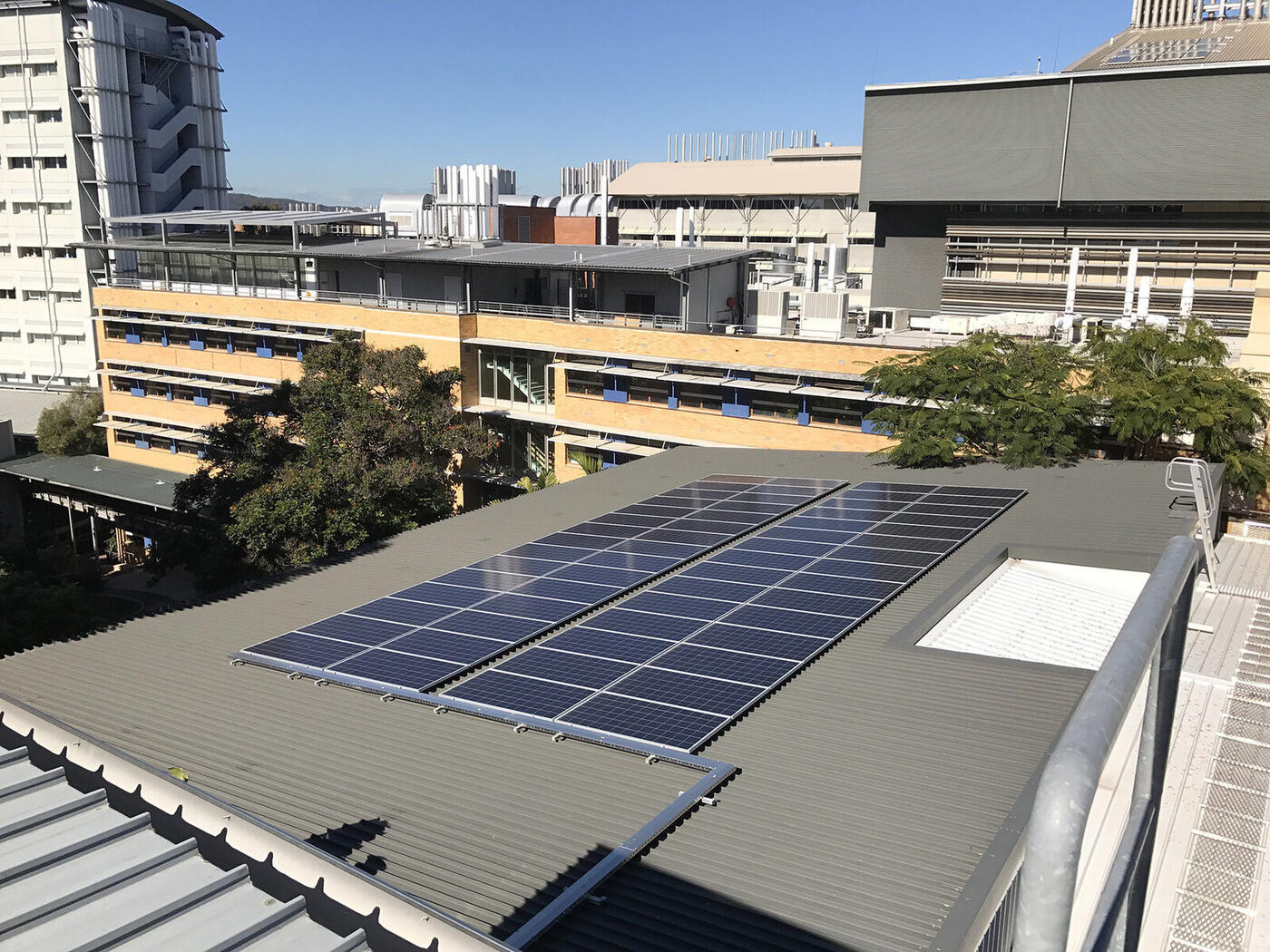
UQ Combustible Cladding Replacement, Multi-Campus Programme
Structural Engineering for Fire Safety Compliance Across Four University of Queensland Facilities
What problem existed, and what was at stake
As part of the national combustible cladding compliance programme, four University of Queensland buildings were identified for cladding replacement: the John Hines Building, Connel Building, Julius Kruttschnitt Mineral Research Centre (JKMRC), and 88 Creek Building. Each facility has a different structural system, facade configuration, and operational constraint. The engineering challenge requires verifying structural adequacy of existing sub-frames and connections to support new cladding systems while maintaining operations across active teaching and research facilities.
How TRSC investigated the problem
TRSC conducted initial condition surveys and LiDAR scans at each facility to capture the existing geometry and condition of sub-frame members, connections, and substrates. Each building was assessed individually, structural capacity of existing framing systems was verified against loads imposed by the replacement cladding, including wind loading to AS/NZS 1170.2, dead load of new panel systems, and any additional loads from modified fixing arrangements. Building-specific scopes were developed: JKMRC and John Hines Building required specific sub-frame modifications, Connel Building required connection redesign, and 88 Creek Building required full framing assessment. Construction support and site inspections were provided during installation phases.
What was designed and recommended
A complete facade engineering package was delivered for each of the four buildings, covering structural assessment of existing sub-frames, facade design reports with calculations and shop drawings, RPEQ Design Form 15 certification, and Installation Certification Form 12. Each package was tailored to the specific structural configuration and operational requirements of the individual building. The deliverables provided the contractor with construction-ready documentation and gave UQ the RPEQ certification required to demonstrate fire safety compliance.
Results achieved
The multi-campus programme demonstrates TRSC's capacity to manage complex, multi-site engineering scopes under a single coordinated engagement. The project extends TRSC's ongoing relationship with UQ, building on the completed Gatton campus works, and positions the practice as UQ's preferred structural engineering partner for facade compliance programmes across multiple campuses.
Related Projects
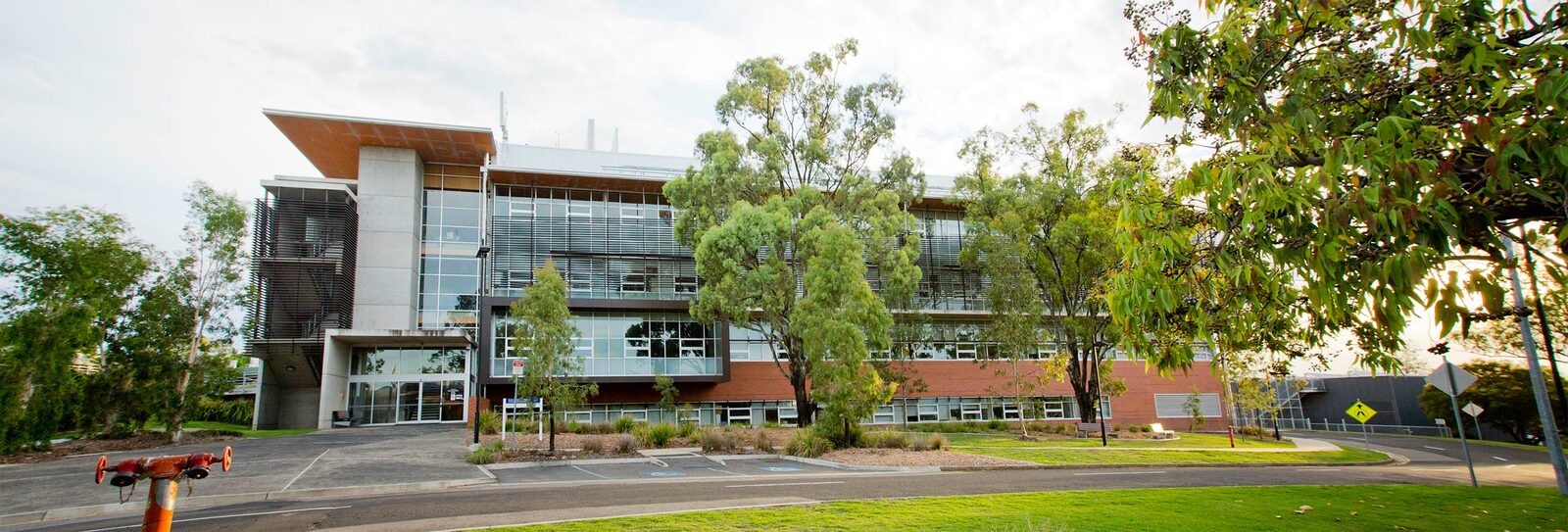
UQ Gatton Campus, Gatton QLD · 2025
UQ Gatton Campus, Multi-Facility Structural Engineering
Read case study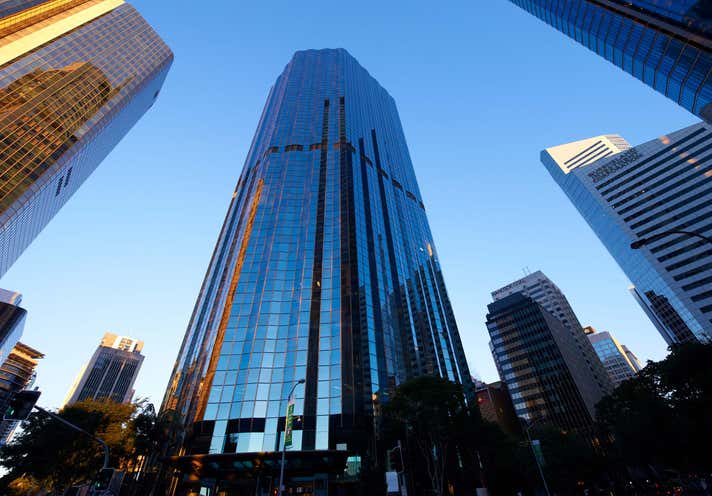
12 Creek St, Brisbane City QLD · 2025
12 Creek Street, External Wall Condition Assessment
Read case study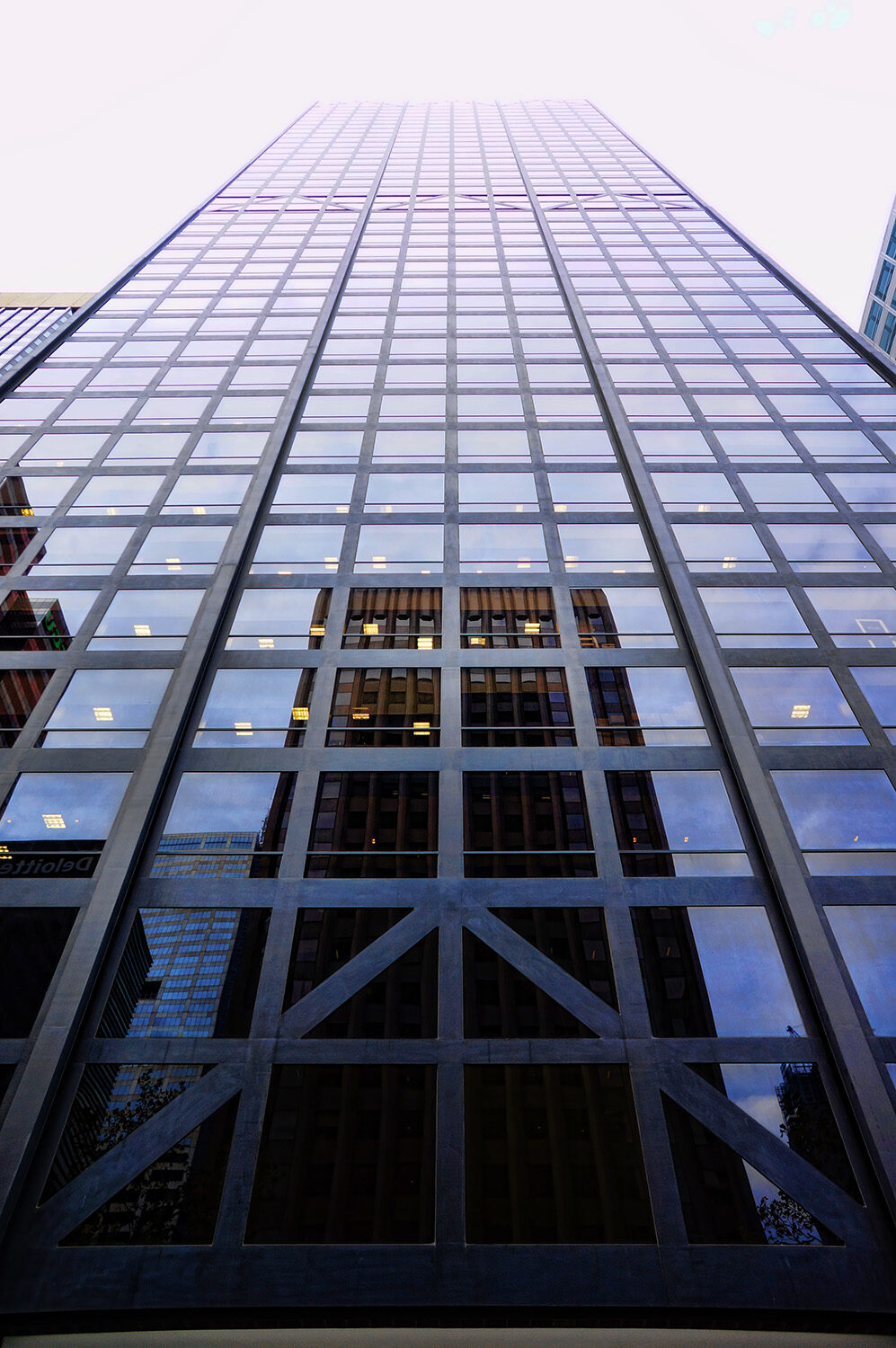
140 William St, Melbourne VIC · 2025–2026
140 William Street, Heritage Facade Investigation
Read case studyReady to discuss your project?
Every TRSC engagement begins with a direct conversation with a RPEQ-qualified structural engineer. We investigate before we recommend, and back every finding with data.