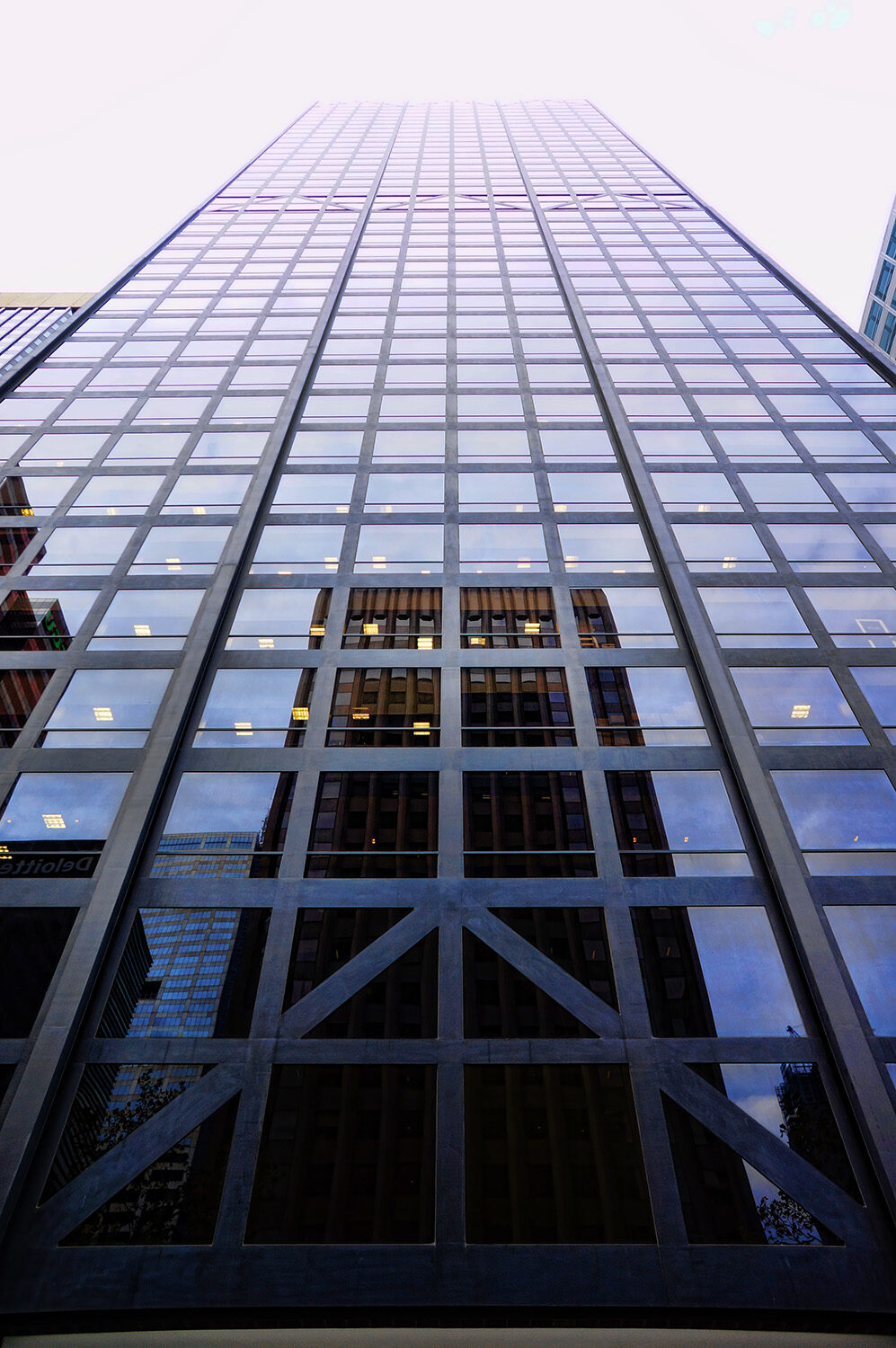
140 William Street, Heritage Facade Investigation
Root Cause Analysis, Durability Engineering and Remediation Design for a Melbourne Heritage Tower
What problem existed, and what was at stake
The heritage commercial tower at 140 William Street, Melbourne required structural investigation of its facade system as part of a proactive asset management programme. Limited existing structural documentation was available, requiring field investigation to establish the current condition state. The project scope encompassed structural investigation to determine structural geometry, form and durability condition, propose remediation of the existing facade and glazing replacement works, and complete monitoring as specified in the ARUP remediation specification. Three distinct work packages were identified: facade investigation, timber box review, and arch detailing.
How TRSC investigated the problem
TRSC undertook a complete structural investigation including visual condition survey, 3D LiDAR scanning for as-built form capture (creating a Revit model for the consultant team), and non-destructive testing using GPR, Schmidt Hammer, thermal camera, Ferroscan, and acoustic response testing. Destructive investigation included chloride profiling and carbonation depth measurement. Root cause analysis identified the primary mechanisms requiring attention: coating system condition, moisture management within the louvre system, and carbonation progression relative to concrete cover depths. The investigation classified facade conditions into progressive condition stages to guide the remediation programme.
What was designed and recommended
A 39-page investigation report was produced documenting condition states, root cause analysis, and the remediation programme. The condition classification system mapped every inspected element to one of five condition stages, providing a clear framework for prioritised intervention. L23 and L24 facade remediation was inspected and certified, timber frame elements were assessed for structural adequacy, and a complete remediation specification was developed addressing concrete treatment, frame remediation, moisture management, and ongoing monitoring. The remediation design was structured to align with the ARUP specification while addressing the root causes identified through TRSC's independent investigation.
Results achieved
The largest single-project engagement in TRSC's portfolio to date. The root cause analysis enabled a systematic remediation programme with clearly prioritised workstreams: immediate actions, concrete treatment, frame remediation, moisture management, and ongoing monitoring. The project demonstrates TRSC's capability to manage complex heritage facade investigations across state boundaries, coordinating from Brisbane headquarters for a Melbourne-based asset.
Related Projects
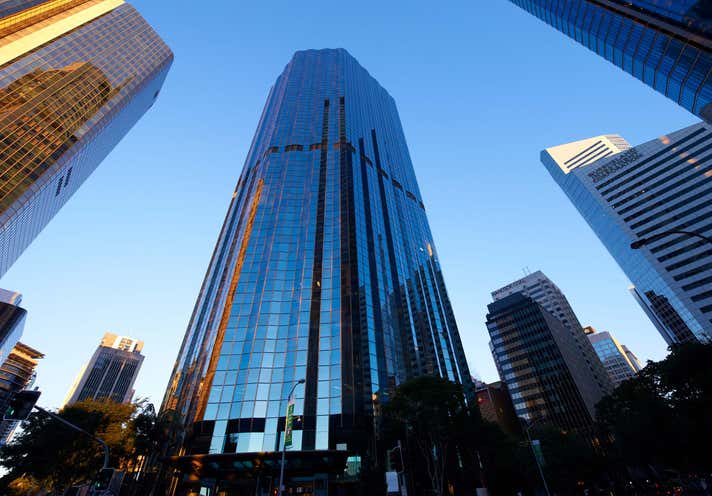
12 Creek St, Brisbane City QLD · 2025
12 Creek Street, External Wall Condition Assessment
Read case study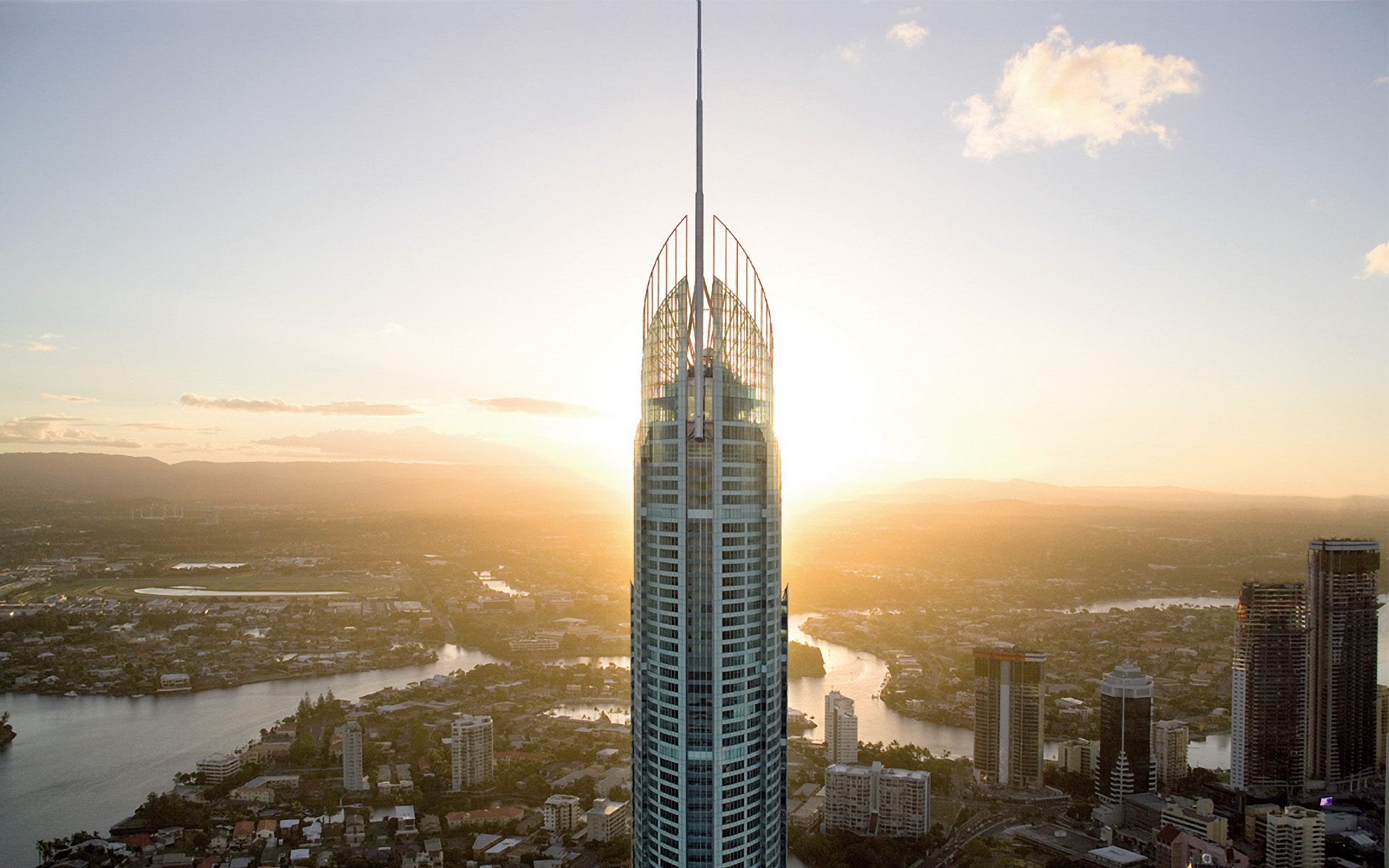
9 Hamilton Ave, Surfers Paradise QLD · 2025
Q1 Tower, Facade and Spire Engineering Programme
Read case study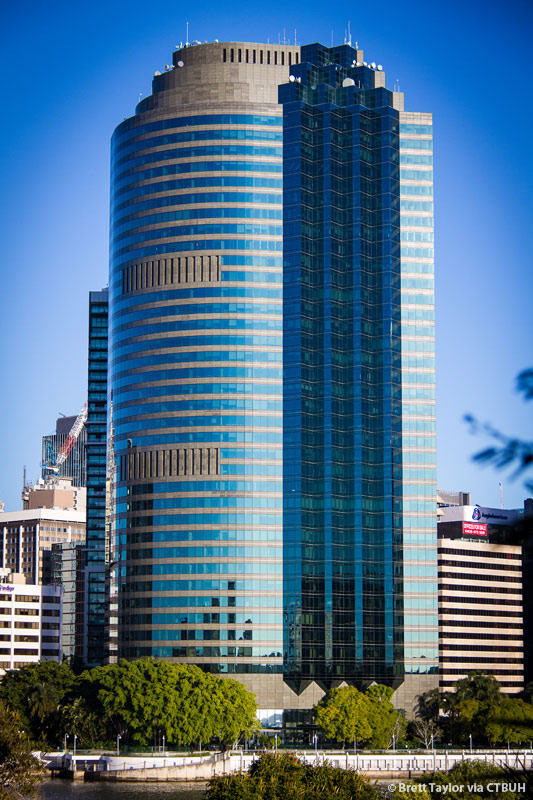
1 Eagle St, Brisbane City QLD · 2025–2026
Waterfront Place, Granite Facade Investigation
Read case studyReady to discuss your project?
Every TRSC engagement begins with a direct conversation with a RPEQ-qualified structural engineer. We investigate before we recommend, and back every finding with data.