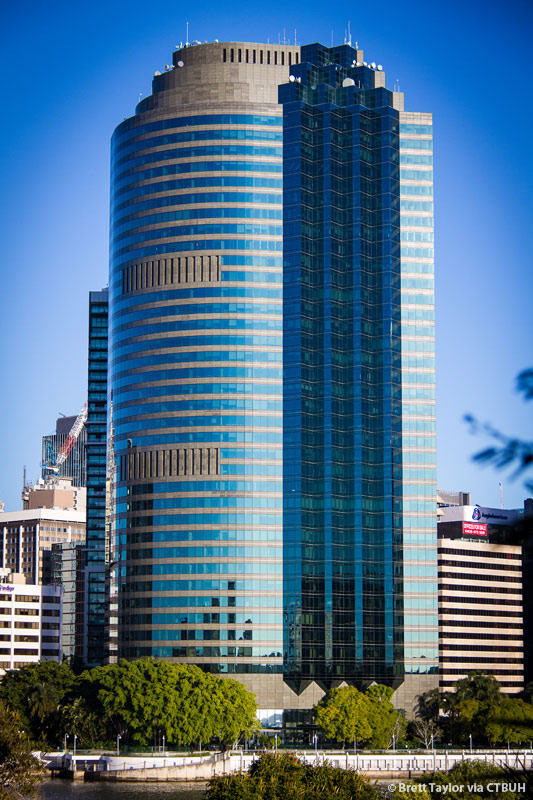
Waterfront Place, Granite Facade Investigation
Root Cause Analysis of Granite Panel Performance at a Landmark Brisbane Riverfront Tower
What problem existed, and what was at stake
Waterfront Place at 1 Eagle Street, one of Brisbane's most prominent riverfront commercial towers, required a root cause analysis of granite facade panel performance as part of proactive facade management. The facade is an aluminium-framed curtain wall system with glass and granite spandrel panels on the curved building faces. Based on the Inhabit facade audit report and original shop drawings, the granite panels are mechanically bonded to the aluminium framing via anchor pins, structural silicone, and top/bottom angle restraints. The investigation was commissioned to understand the performance characteristics of the granite panel system and develop an appropriate management strategy.
How TRSC investigated the problem
TRSC conducted a site inspection combining GPR scanning with visual investigation of accessible ground entry facade elements from Level 1 to Level 3. Desktop review of the Inhabit report and original facade shop drawings was performed to understand the granite panel connection detail, stainless steel brackets and pins inserted into holes drilled into granite panel edges with plastic sleeves providing tolerance. GPR scanning confirmed corner pin locations to correlate with the cracking pattern. The investigation was structured to determine the root cause mechanism and inform the management strategy.
What was designed and recommended
Root cause analysis established that granite panel behaviour was attributable to restraint-induced stress concentrations at panel corners, a characteristic of this connection detail under wind loading, cyclical thermal expansion and contraction, and general building movement. TRSC reviewed the existing make-safe measures and recommended an upgraded management approach. The primary retention systems (silicone sealant and pin/angle restraints) were assessed as intact, with an operational management plan recommended to maintain ongoing facade performance.
Results achieved
TRSC recommended a phased approach: Phase 1, detailed investigation via BMU or rope access to survey the full facade and establish a complete condition baseline. Phase 2, a cost-effective make-safe and monitor regime ensuring appropriate management is in place and any changes are identified proactively. The engineering assessment provided the asset manager with a defensible, evidence-based approach to long-term facade management.
Related Projects
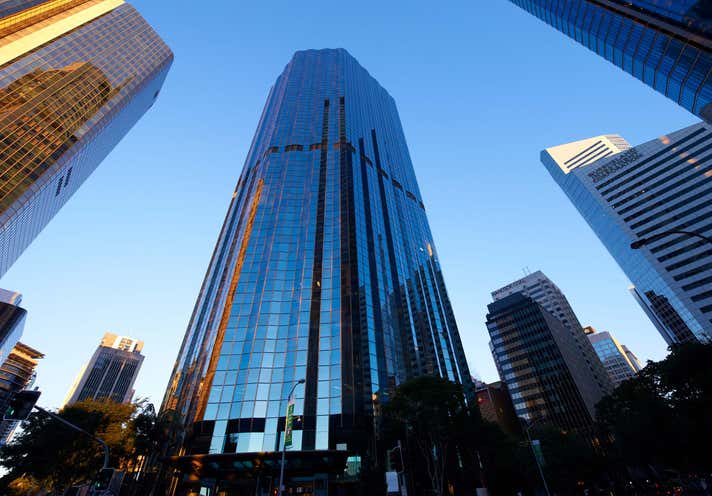
12 Creek St, Brisbane City QLD · 2025
12 Creek Street, External Wall Condition Assessment
Read case study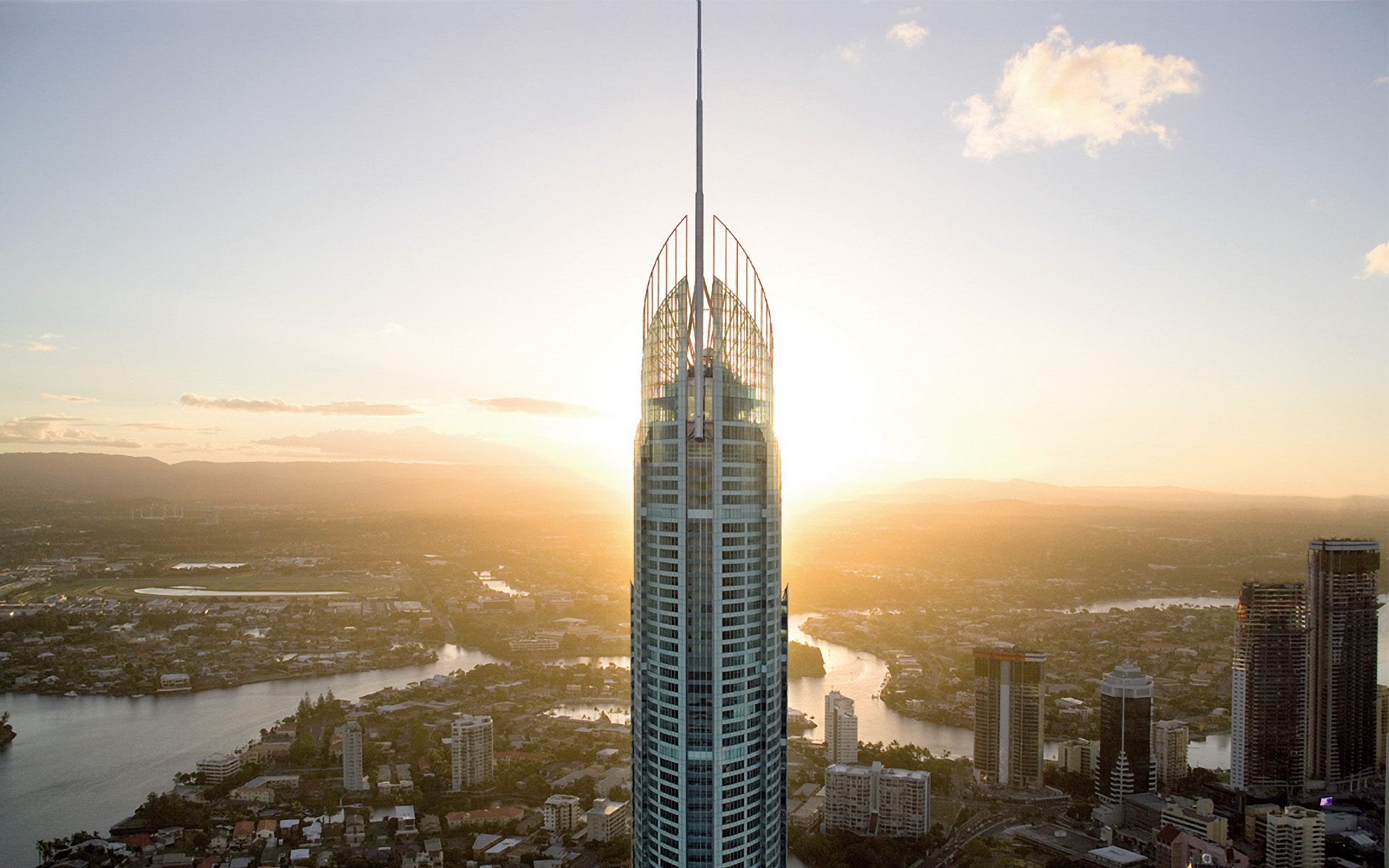
9 Hamilton Ave, Surfers Paradise QLD · 2025
Q1 Tower, Facade and Spire Engineering Programme
Read case study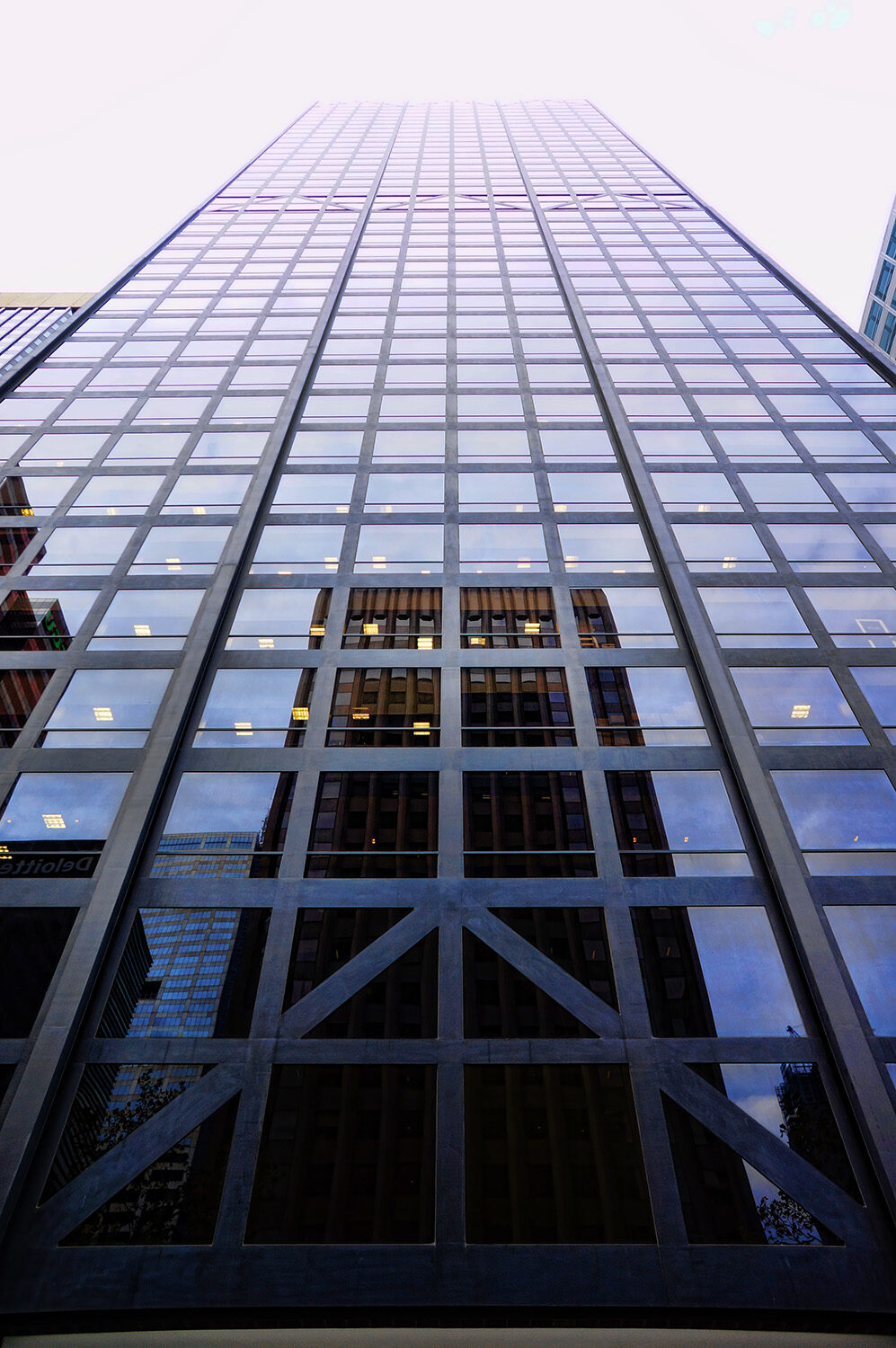
140 William St, Melbourne VIC · 2025–2026
140 William Street, Heritage Facade Investigation
Read case studyReady to discuss your project?
Every TRSC engagement begins with a direct conversation with a RPEQ-qualified structural engineer. We investigate before we recommend, and back every finding with data.