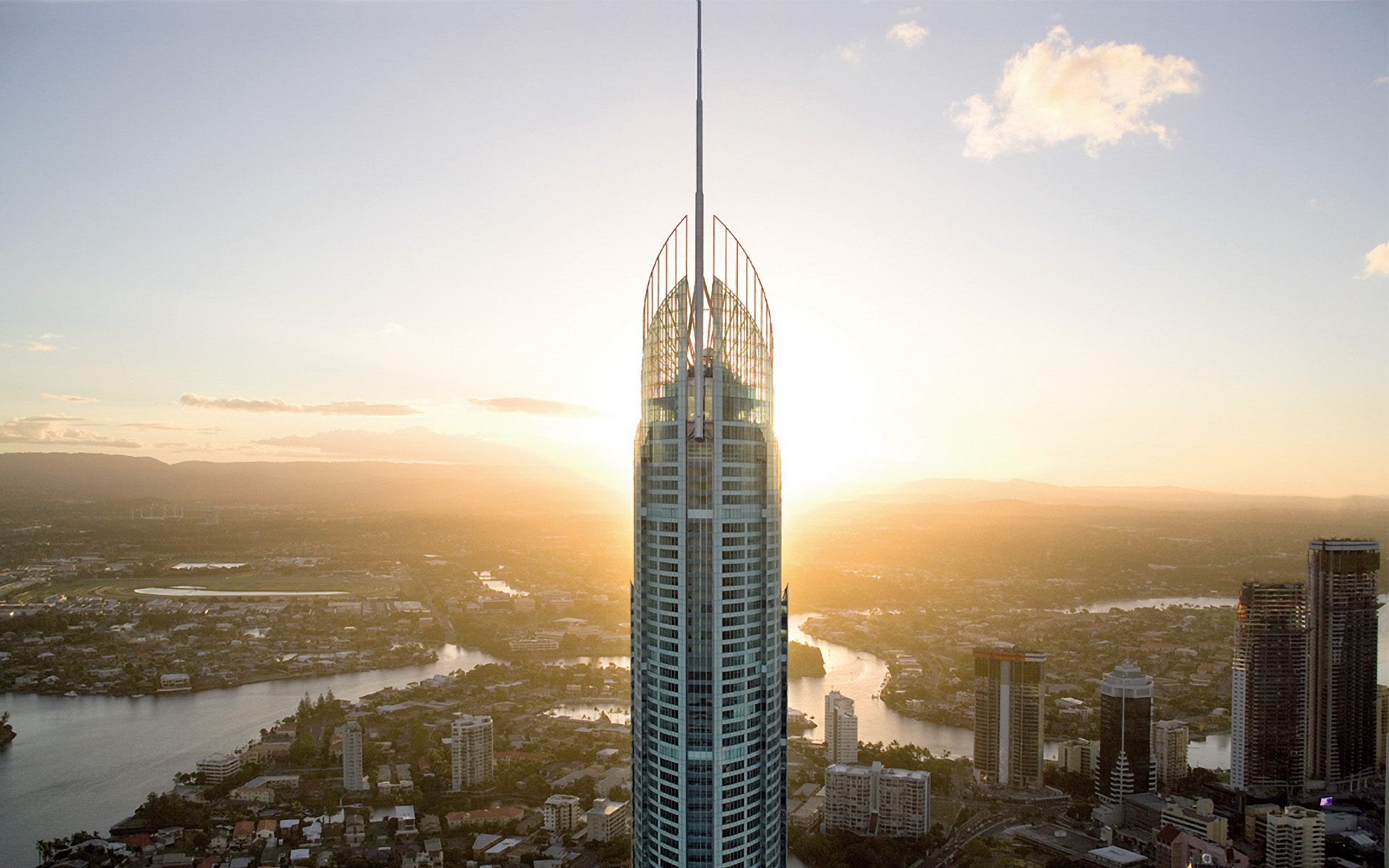
Q1 Tower, Facade and Spire Engineering Programme
Multi-Phase Condition Assessment, Emergency Response and Remediation Design at Australia's Tallest Residential Tower
What problem existed, and what was at stake
The Q1 Tower, Australia's tallest residential building at 322.5 metres, required a multi-phase engineering programme covering its spire structure and upper-level facade systems. The programme encompassed three work packages: a Level 74 penthouse panel investigation, a full spire facade audit from Level 79 to the tip, and an emergency response following Cyclone Albert (March 7–10, 2025). At extreme elevation, the spire structure and facade are exposed to demanding environmental conditions including marine-environment wind loading, coastal air exposure, UV degradation, and thermal cycling. Access is restricted to BMU drops and rope access, with safety constraints limiting inspection to favourable weather windows.
How TRSC investigated the problem
TRSC conducted a phased investigation programme beginning with targeted assessment of the Level 74 penthouse panels, progressing to a systematic spire facade audit using BMU drops across the upper spire zones, and culminating in nine BMU drops across critical spire zones following Cyclone Albert. The investigation included bolt and nut torque checks across structural steel connections, visual and tactile corrosion assessment of splice plates, flashing screws, and exposed steel members, facade panel anchorage integrity testing, and marine corrosion analysis across all exposed steel elements. Each investigation zone was documented via a marking plan with photographic record correlated to structural drawings.
What was designed and recommended
The programme produced a condition classification across structural steel, facade connections, protective coatings, panel anchorage systems, and cladding elements. A risk register was developed classifying each finding by priority and recommended action. Make-safe works were designed for immediate priorities, including structural stainless steel plates to arrest spire frame movement, with a permanent remediation programme developed for systematic rectification across all assessed zones.
Results achieved
TRSC's investigation enabled rapid decision-making under emergency conditions. The stitch plate installation stabilised the spire structure, and TRSC delivered a remediation programme specification covering corrosion treatment, protective coating reinstatement, facade connection rectification, and a long-term monitoring regime, providing the owner with a fully costed, prioritised roadmap for permanent restoration. The programme, spanning routine facade audits through to emergency cyclone response, established TRSC as the retained structural engineering partner for Q1 Tower.
Related Projects
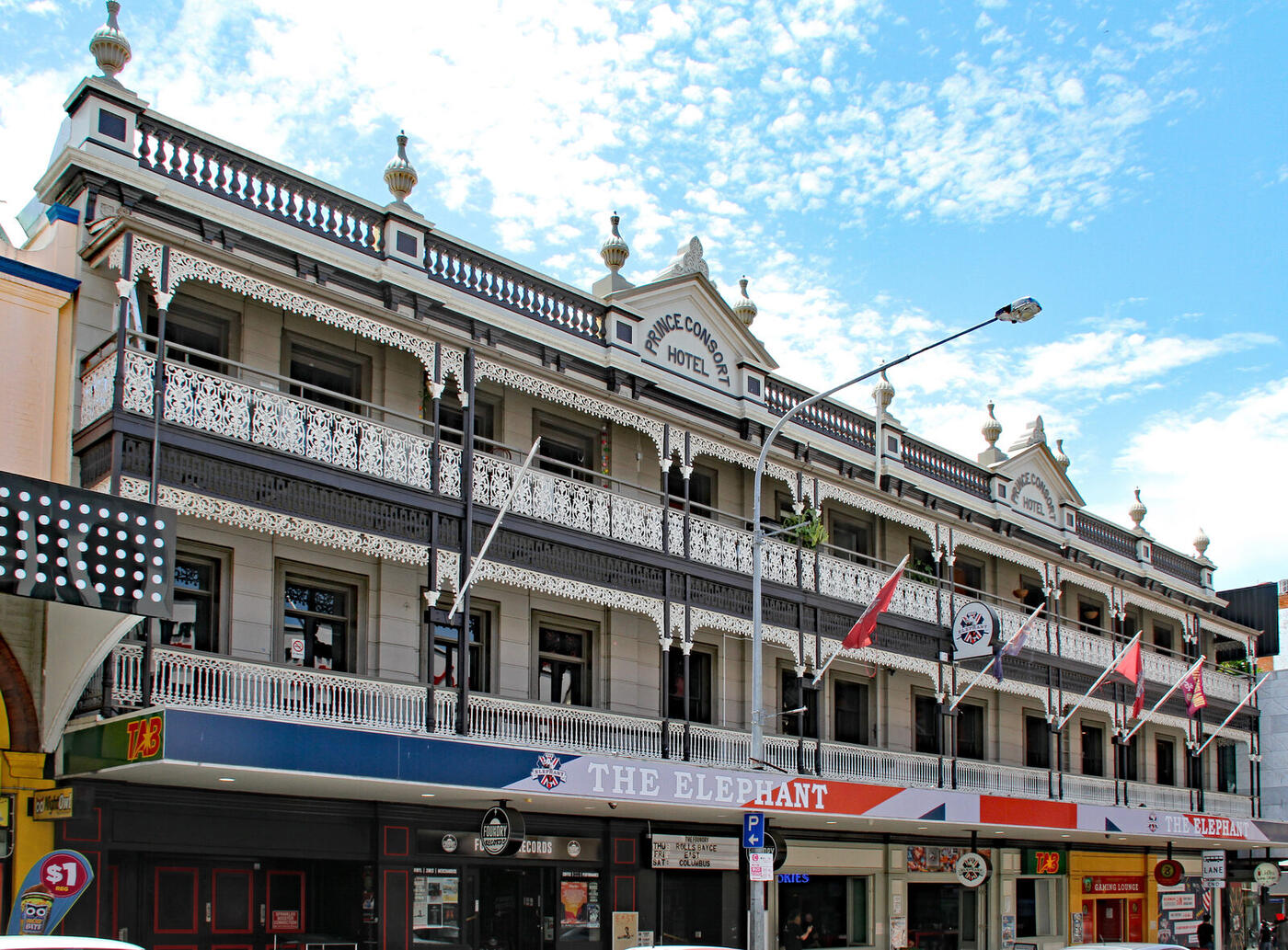
230 Wickham St, Fortitude Valley QLD · 2025
Prince Consort Hotel, Heritage Condition Assessment
Read case study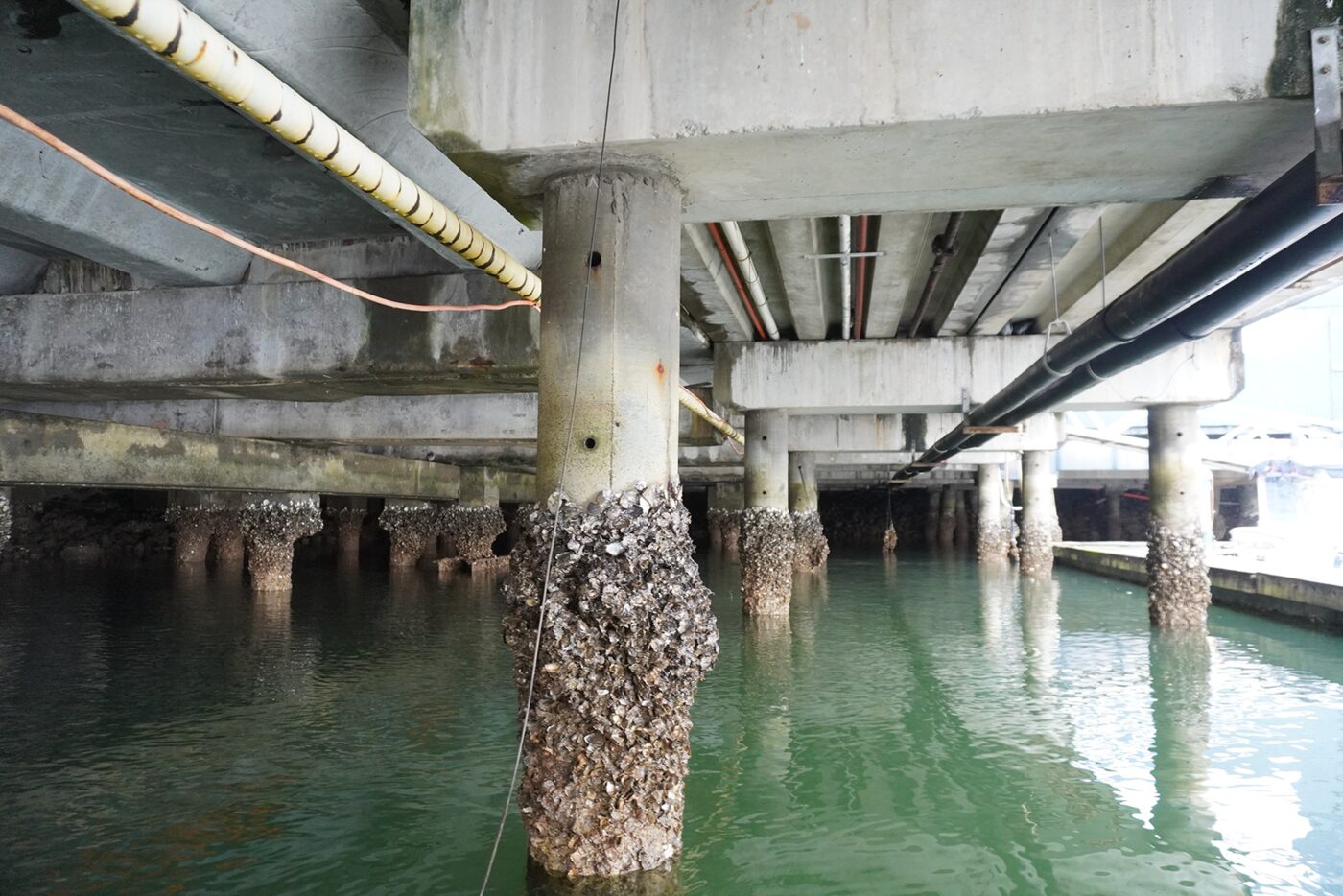
74 Seaworld Dr, Main Beach QLD · 2025
Marina Mirage, Make Safe & Monitor for Marine Infrastructure
Read case study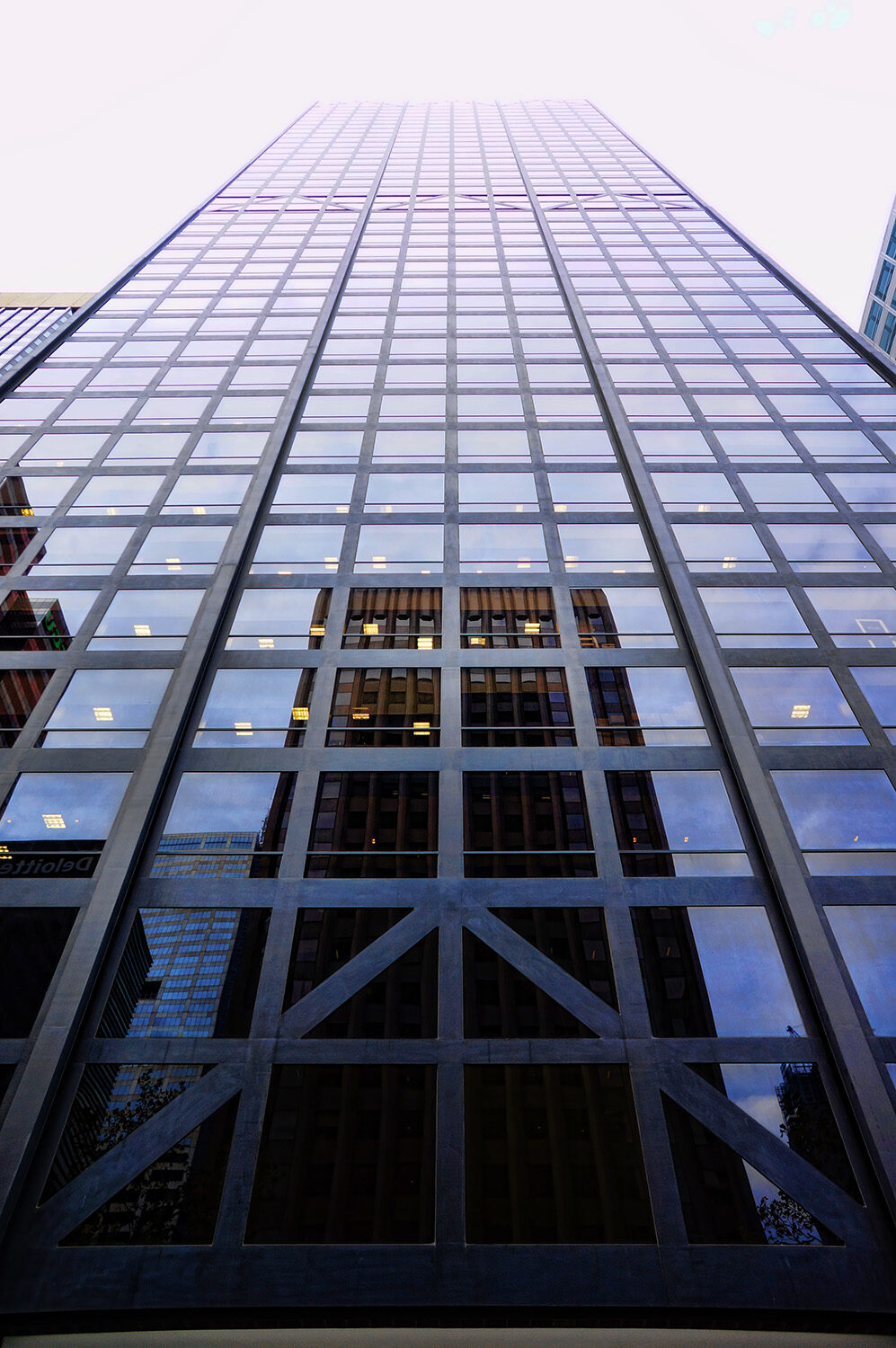
140 William St, Melbourne VIC · 2025–2026
140 William Street, Heritage Facade Investigation
Read case studyReady to discuss your project?
Every TRSC engagement begins with a direct conversation with a RPEQ-qualified structural engineer. We investigate before we recommend, and back every finding with data.