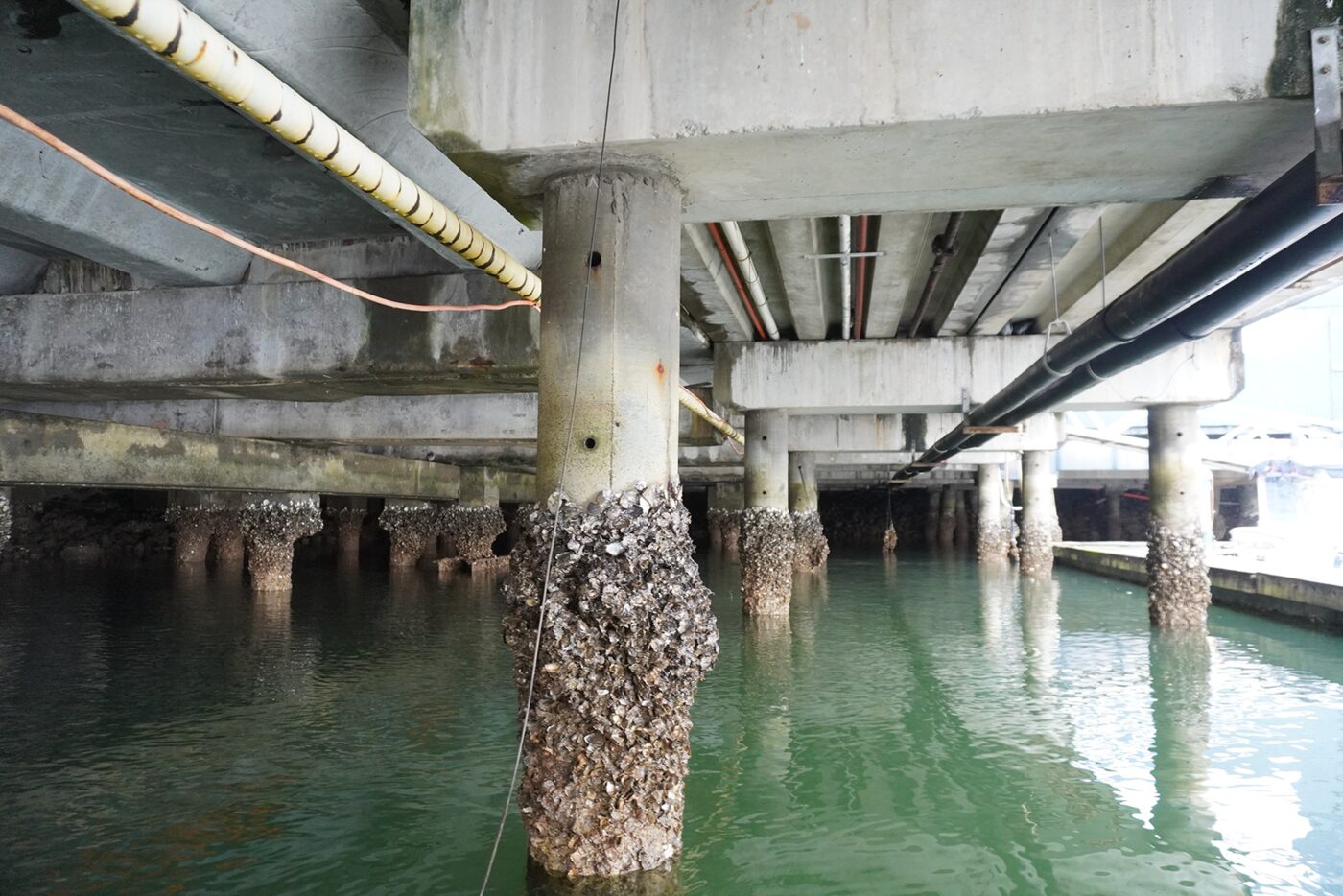
Marina Mirage, Make Safe & Monitor for Marine Infrastructure
Ensuring Serviceability of a 37-Year-Old Marine Boardwalk During Major Redevelopment Through Investigation-Led Intervention
What problem existed, and what was at stake
The Marina Mirage complex at Main Beach, originally constructed in 1988, is approaching the end of its original design life after 37 years of continuous exposure to the aggressive Gold Coast marine environment. With a major redevelopment planned, the owner faced a critical question: could the existing marine infrastructure, approximately 120 reinforced concrete piles, pile caps, beams, precast deck planks, and a boulder revetment wall, remain serviceable throughout the construction period and beyond? The default assumption was full demolition and reconstruction of the boardwalk system at substantial capital cost. The owner needed an independent engineering investigation to determine whether a more proportionate, cost-effective approach was achievable.
How TRSC investigated the problem
TRSC structured the investigation across three stages to build a complete picture of the infrastructure's actual condition. Stage 1 was an initial condition assessment covering visual inspection and non-destructive testing of all accessible marine structure elements. Stage 2 comprised a full detailed investigation, destructive testing, chloride profiling at multiple depths, carbonation testing, underwater dive inspection of all 120 piles (coordinated with Harcan Marine), and residual service life modelling. Stage 3 addressed the revetment wall investigation. GPR, Ferroscan, and Schmidt Hammer testing were conducted across pile caps, piles, beams, and deck elements. Half-cell potential mapping assessed the probability of active reinforcement corrosion. Structural capacity analysis evaluated every element against both current loading and proposed redevelopment loads.
What was designed and recommended
Rather than recommending wholesale demolition, TRSC applied its Make Safe and Monitor methodology, classifying every structural element using a retention/refurbishment/replacement matrix (Green, Orange, Red system). The investigation identified elements requiring targeted intervention, while demonstrating that the majority of the infrastructure retained adequate structural capacity for continued service. A make-safe and monitoring management plan was developed, establishing inspection protocols, maintenance schedules, and live monitoring requirements to ensure the structure remains serviceable throughout the redevelopment period. This approach allows the owner to retain and refurbish viable elements while only replacing those where retention is genuinely unviable, delivering measurable cost savings compared to a full demolition-and-rebuild programme.
Results achieved
TRSC delivered an RPEQ-certified investigation across three stages that transformed the project economics. By providing measured engineering data, chloride profiles, corrosion probability mapping, structural capacity analysis, and residual life forecasts, TRSC gave the owner the evidence to pursue targeted make-safe intervention and monitored retention rather than blanket replacement. The make-safe and monitor management plan ensures ongoing structural serviceability during the multi-year redevelopment, while phased remediation specifications address each element proportionately. The project demonstrates how rigorous investigation and the Make Safe & Monitor approach can preserve infrastructure at or near its design life, keeping it in service safely while optimising capital expenditure through targeted intervention.
Related Projects
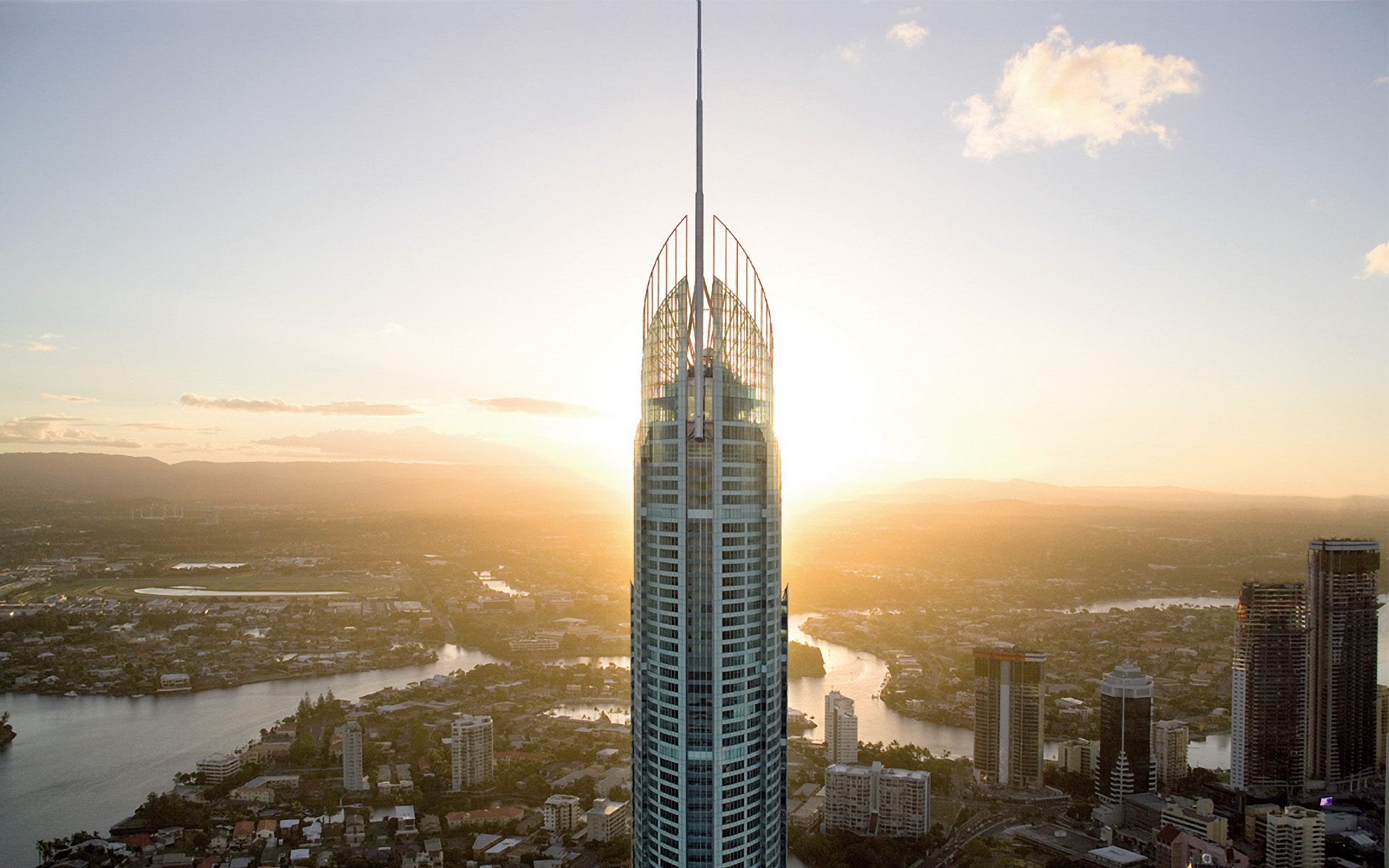
9 Hamilton Ave, Surfers Paradise QLD · 2025
Q1 Tower, Facade and Spire Engineering Programme
Read case study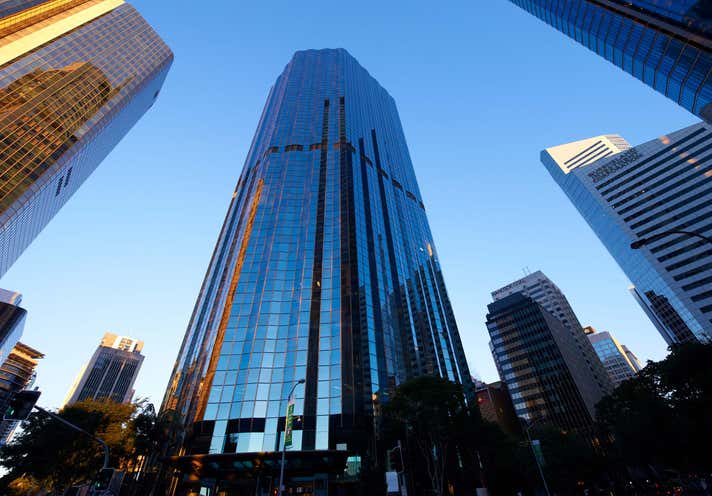
12 Creek St, Brisbane City QLD · 2025
12 Creek Street, External Wall Condition Assessment
Read case study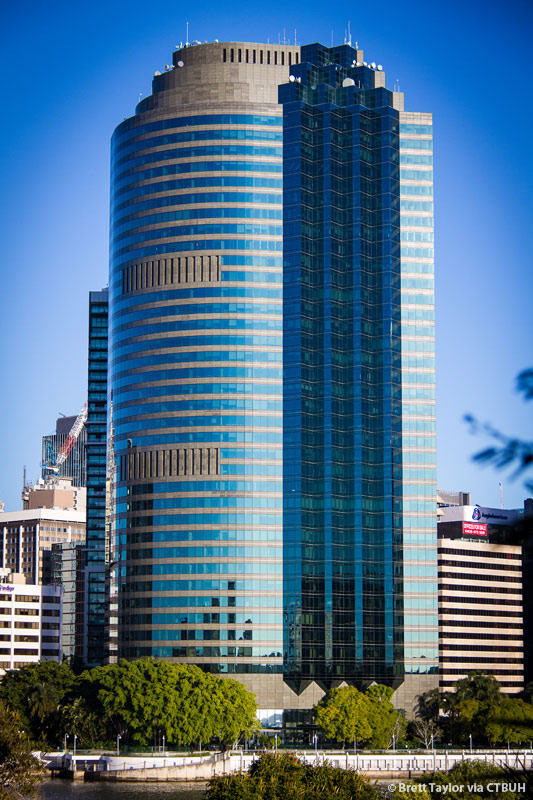
1 Eagle St, Brisbane City QLD · 2025–2026
Waterfront Place, Granite Facade Investigation
Read case studyReady to discuss your project?
Every TRSC engagement begins with a direct conversation with a RPEQ-qualified structural engineer. We investigate before we recommend, and back every finding with data.