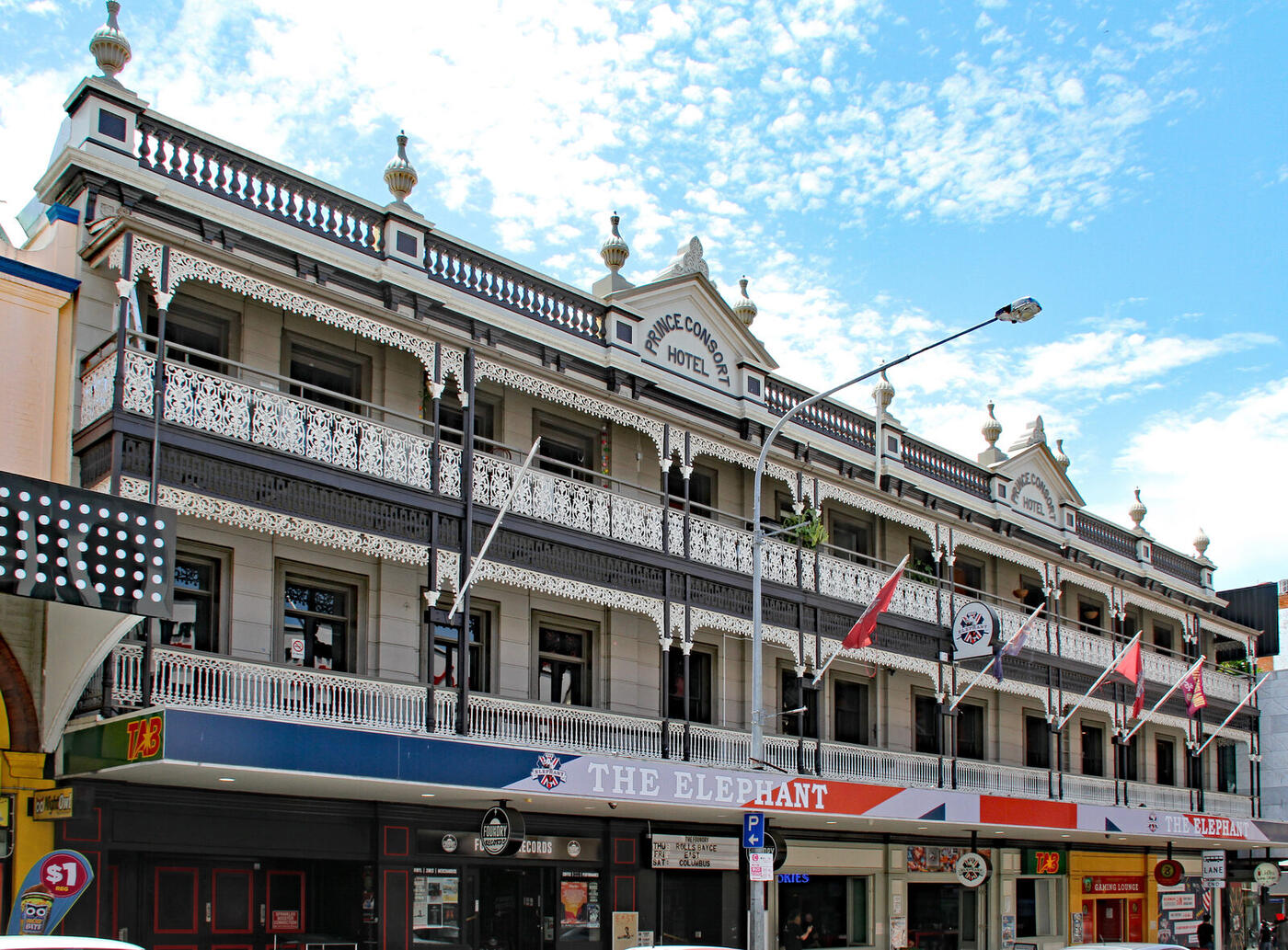
Prince Consort Hotel, Heritage Condition Assessment
Masonry Assessment, Seismic Analysis and Heritage-Compatible Strengthening for an 1888 Heritage-Listed Hotel
What problem existed, and what was at stake
The Prince Consort Hotel at 230 Wickham Street, established in 1863 and with the present hotel constructed in 1887–1888, is listed on the Queensland Heritage Register. As part of proactive asset management, Redcape Hospitality engaged TRSC to investigate masonry cracking in the adjacent boundary wall at 245–247 Brunswick Street and assess basement moisture conditions. Limited structural documentation was available from the building's history. The investigation needed to determine the causation of cracking, assess whether the heritage masonry walls met current out-of-plane bending capacity requirements under AS 3700-2018, and verify earthquake loading compliance under AS 1170.4-2007, a critical consideration given the building's unreinforced masonry construction.
How TRSC investigated the problem
TRSC conducted a visual condition survey and before-you-dig assessment of the site frontage, identifying high-voltage lines, medium-pressure gas, and telecommunications infrastructure adjacent to the boundary. The investigation assessed the boundary wall masonry cracking pattern, basement moisture pathways, and concrete condition in affected zones. Preliminary wall capacity calculations were performed using historical material properties calibrated to the age of construction, with out-of-plane bending capacity assessed against AS 3700 and earthquake loading analysed under AS 1170.4-2007.
What was designed and recommended
The structural assessment established wall capacity, quantified movement mechanisms, and identified that the boundary wall cracking was attributable to differential movement rather than structural inadequacy. Seismic analysis confirmed out-of-plane earthquake forces and verified the wall's performance under the applicable load combinations. A targeted remediation design using Heli-Fix stainless steel ties was developed, a heritage-compatible strengthening method that avoids visible alteration to the protected facade. Visual monitoring protocols were established to track wall condition during the ongoing refurbishment works.
Results achieved
The remediation was executed at a fraction of the cost that a conservative wall replacement would have required. The wall condition is being visually monitored as part of the ongoing refurbishment works. RPEQ Form 15 certification was issued. The project demonstrated that heritage-compatible investigation, combined with rigorous structural and seismic analysis per current Australian Standards, can preserve a 137-year-old heritage building while meeting modern structural requirements.
Related Projects
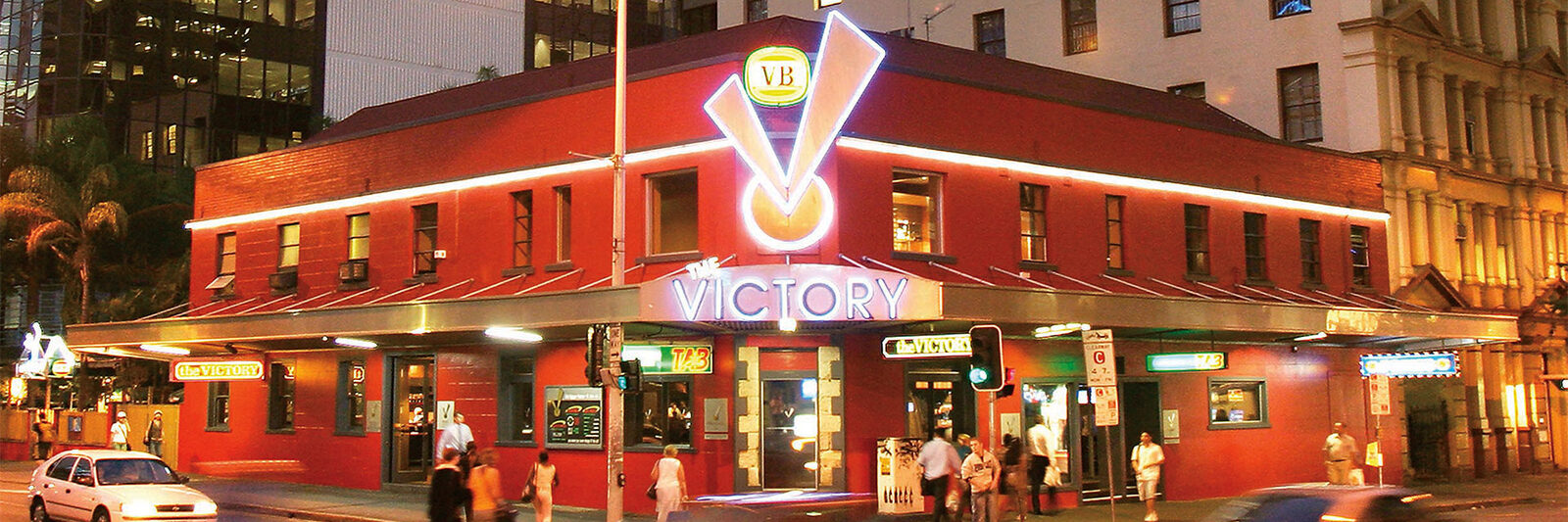
Brisbane City · 2025
Victory Hotel, Heritage Structural Investigation
Read case study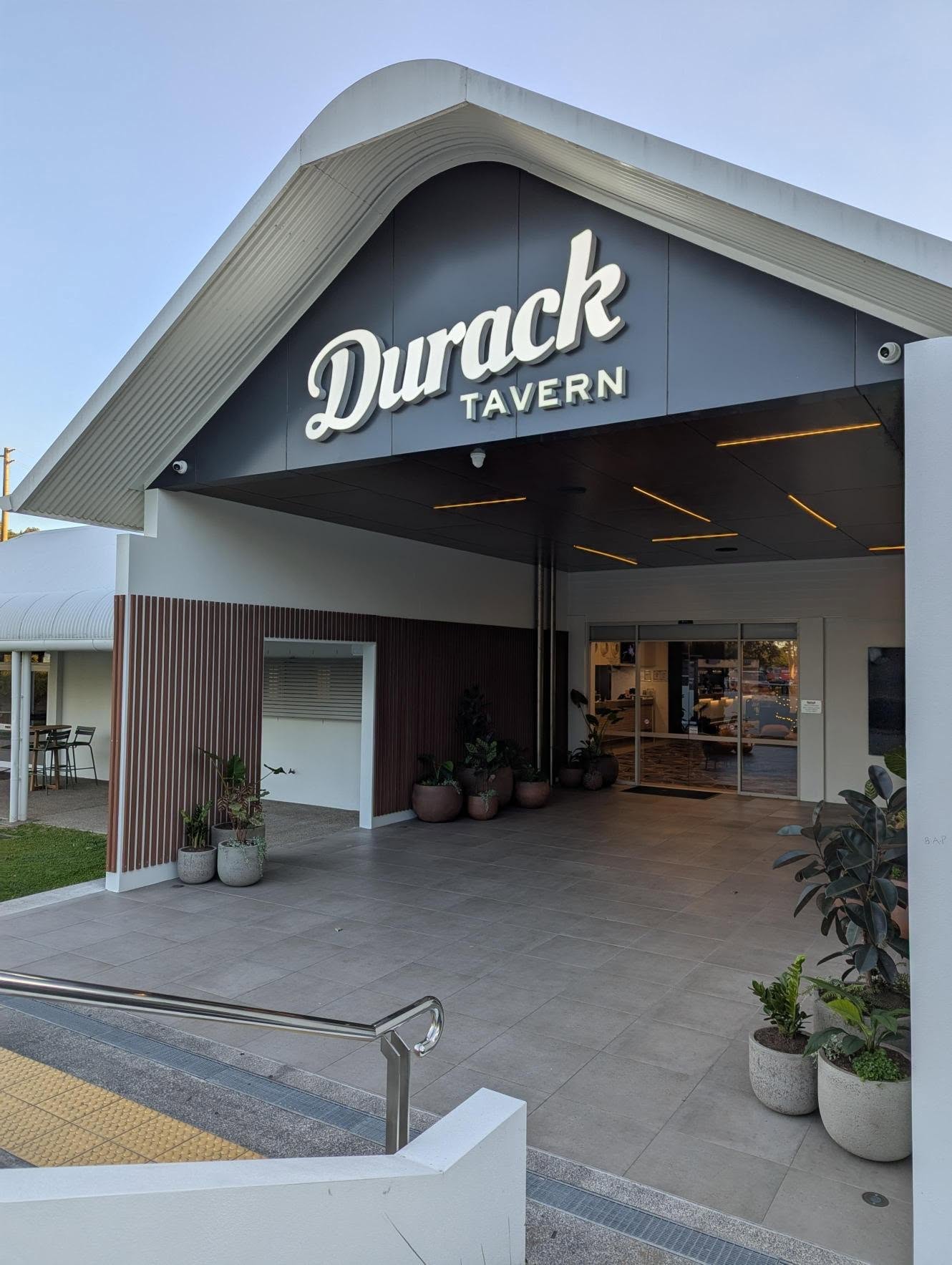
248 King Ave, Durack QLD · 2025
Durack Tavern, Investigation to Construction Certification
Read case study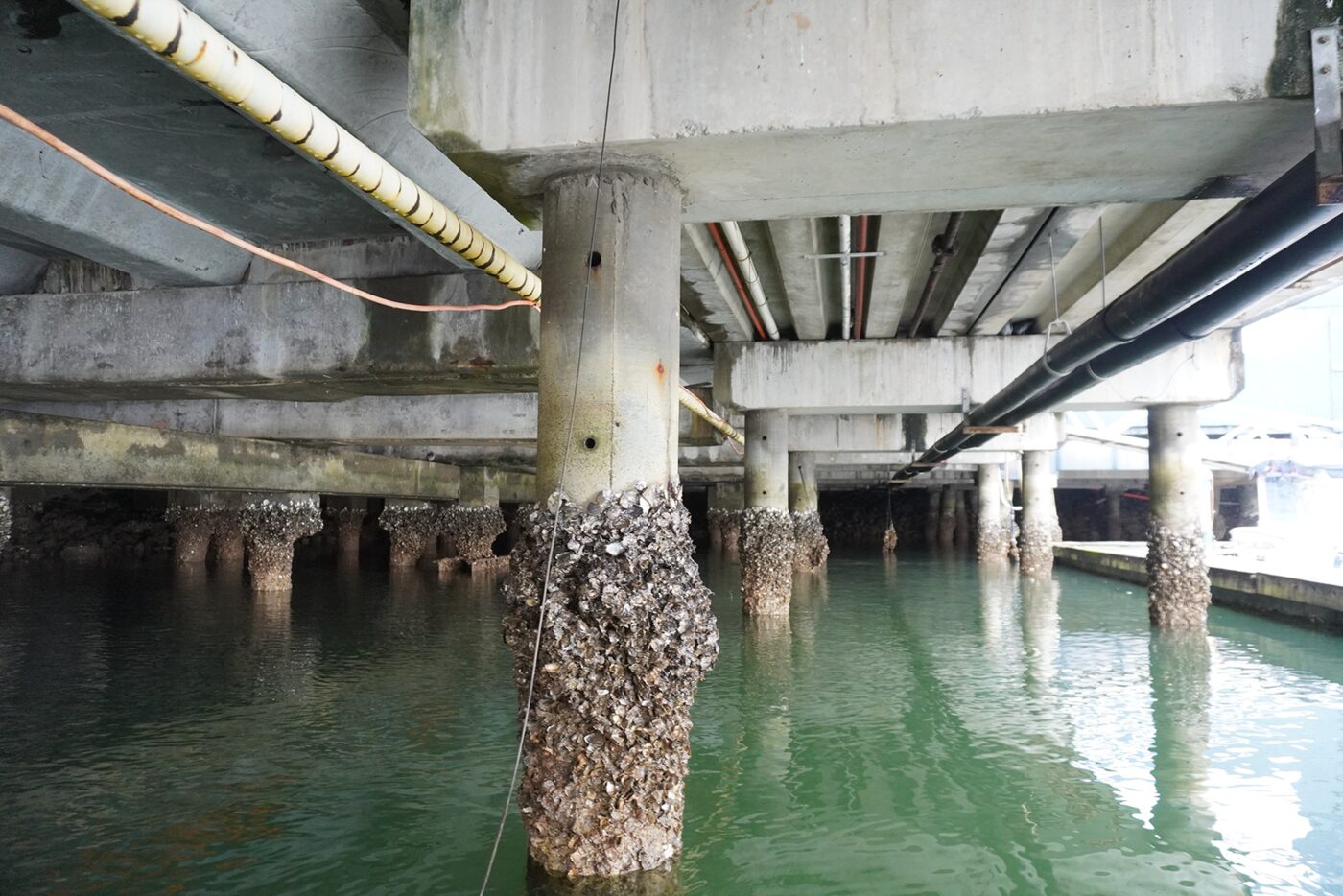
74 Seaworld Dr, Main Beach QLD · 2025
Marina Mirage, Make Safe & Monitor for Marine Infrastructure
Read case studyReady to discuss your project?
Every TRSC engagement begins with a direct conversation with a RPEQ-qualified structural engineer. We investigate before we recommend, and back every finding with data.