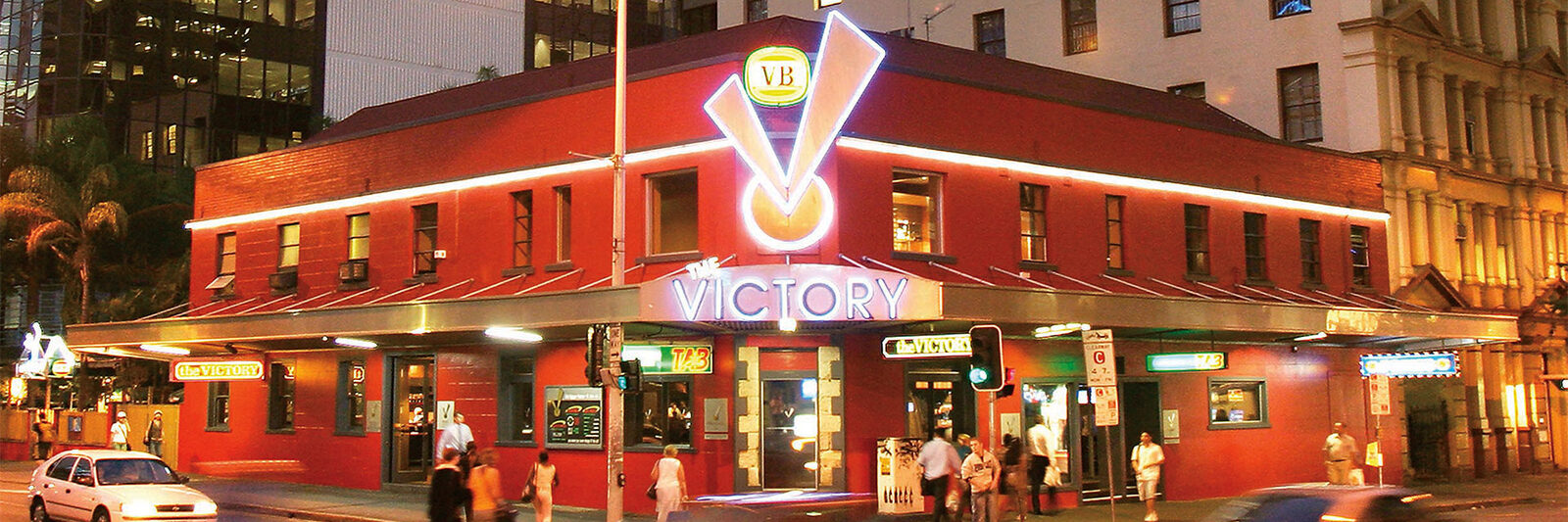
Victory Hotel, Heritage Structural Investigation
Material Science, Historical Construction Analysis and Residual Design Life Engineering for a 170-Year-Old Heritage Asset
What problem existed, and what was at stake
The Victory Hotel is one of Brisbane's oldest surviving commercial buildings, with primary construction dating to 1855 and successive additions spanning the Victorian era, Federation period, and mid-twentieth century. The structure incorporates colonial sandstone masonry, hand-formed clay brick with lime mortar, early unreinforced and minimally-reinforced concrete, wrought iron fixings, and later steel and modern concrete elements, representing over 170 years of evolving Australian construction practice. The current owner required a definitive engineering assessment to determine what remained structurally viable, what residual design life existed in each material system, and what pathway would preserve maximum heritage value. Limited structural drawings were available across the building's various construction eras, making field investigation essential.
How TRSC investigated the problem
TRSC deployed a multi-disciplinary investigation programme combining structural engineering with material science and historical construction analysis. 3D LiDAR scanning was used to create a complete as-built record of the structure, the only reliable method given the absence of drawings across any era of construction. Each construction era was then investigated independently using era-appropriate assessment methodologies. Colonial sandstone masonry was assessed for compressive strength, weathering profiles, and salt crystallisation damage using petrographic analysis and Schmidt Hammer testing calibrated to sandstone substrates. Heritage brickwork was evaluated for lime mortar condition, brick-to-mortar bond strength, and carbonation patterns characteristic of 19th-century clay brick construction. Early concrete elements were subjected to chloride profiling, carbonation depth measurement, half-cell potential mapping, and phenolphthalein indicator testing to establish the corrosion state of embedded reinforcement. Wrought iron fixings were assessed for section loss and residual tensile capacity. The investigation was structured to answer a single question for each element: what is the residual design life under current and projected loading conditions?
What was designed and recommended
TRSC produced a durability engineering assessment that quantified residual design life for every major structural system in the building. The sandstone masonry was proven to retain adequate compressive capacity with targeted repointing using heritage-compatible lime mortar. Brickwork zones were mapped and classified by condition, with material testing confirming that the majority of the masonry retained sufficient structural capacity for continued service. The early concrete elements showed reinforcement corrosion rates below the threshold for structural concern. A staged remediation programme was designed to preserve maximum heritage fabric, with each intervention justified by laboratory test data rather than visual assessment alone. Construction sequencing was engineered to maintain structural integrity throughout the staged refurbishment, including temporary works design for load path management during element-level interventions.
Results achieved
The investigation delivered an evidence-based heritage restoration pathway. Material science testing confirmed that the majority of the 170-year-old construction fabric retained measurable residual design life, a finding that could only be established through laboratory analysis. The durability engineering assessment provided the owner with quantified remaining service life predictions for each material system, enabling capital planning over 25, 50, and 75-year horizons. RPEQ structural certification was issued for retained elements based on tested material properties. The project demonstrates TRSC's core capability: combining investigative structural engineering with material science, historical construction knowledge, and durability analysis to extend asset life through evidence.
Related Projects
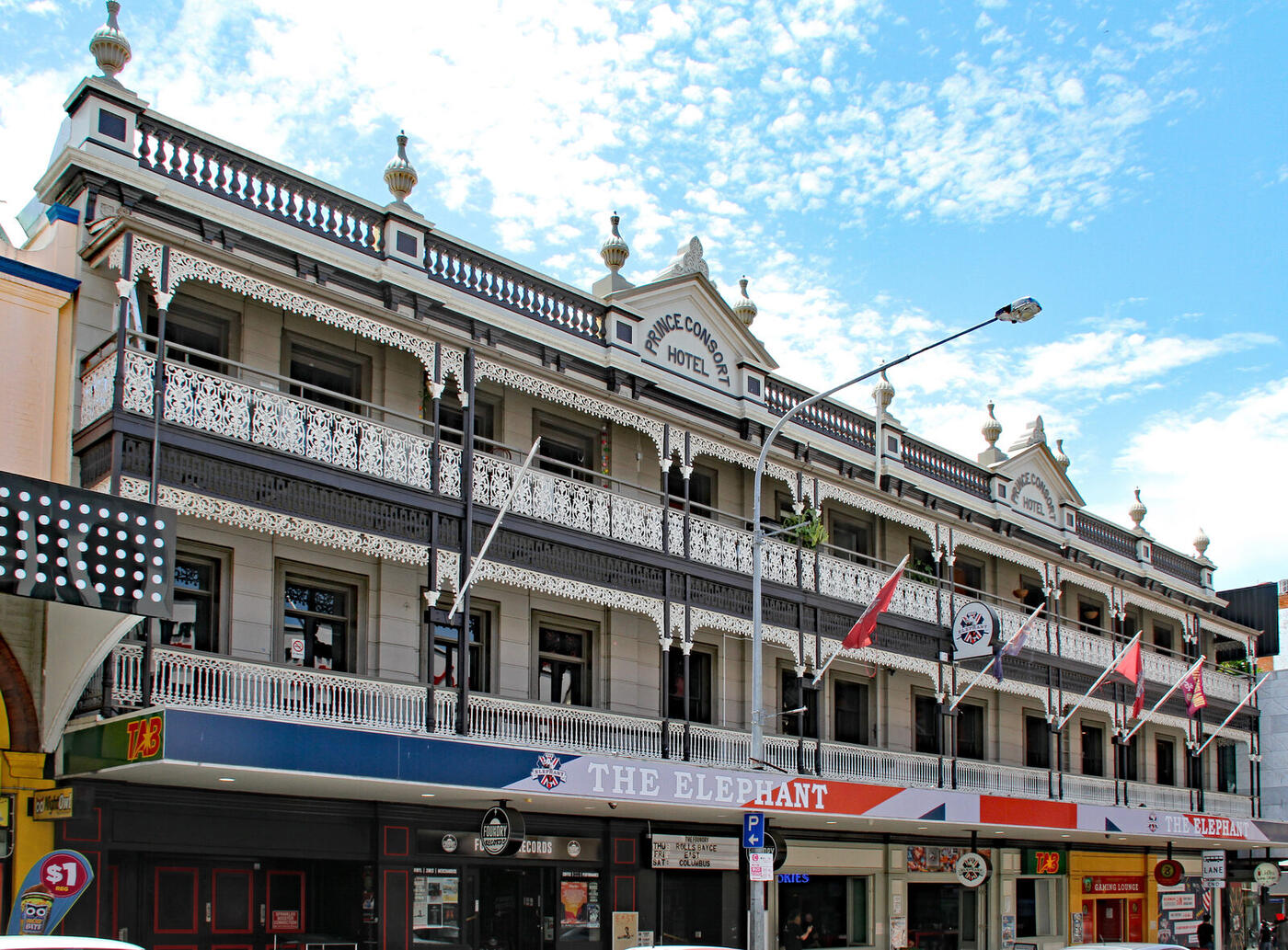
230 Wickham St, Fortitude Valley QLD · 2025
Prince Consort Hotel, Heritage Condition Assessment
Read case study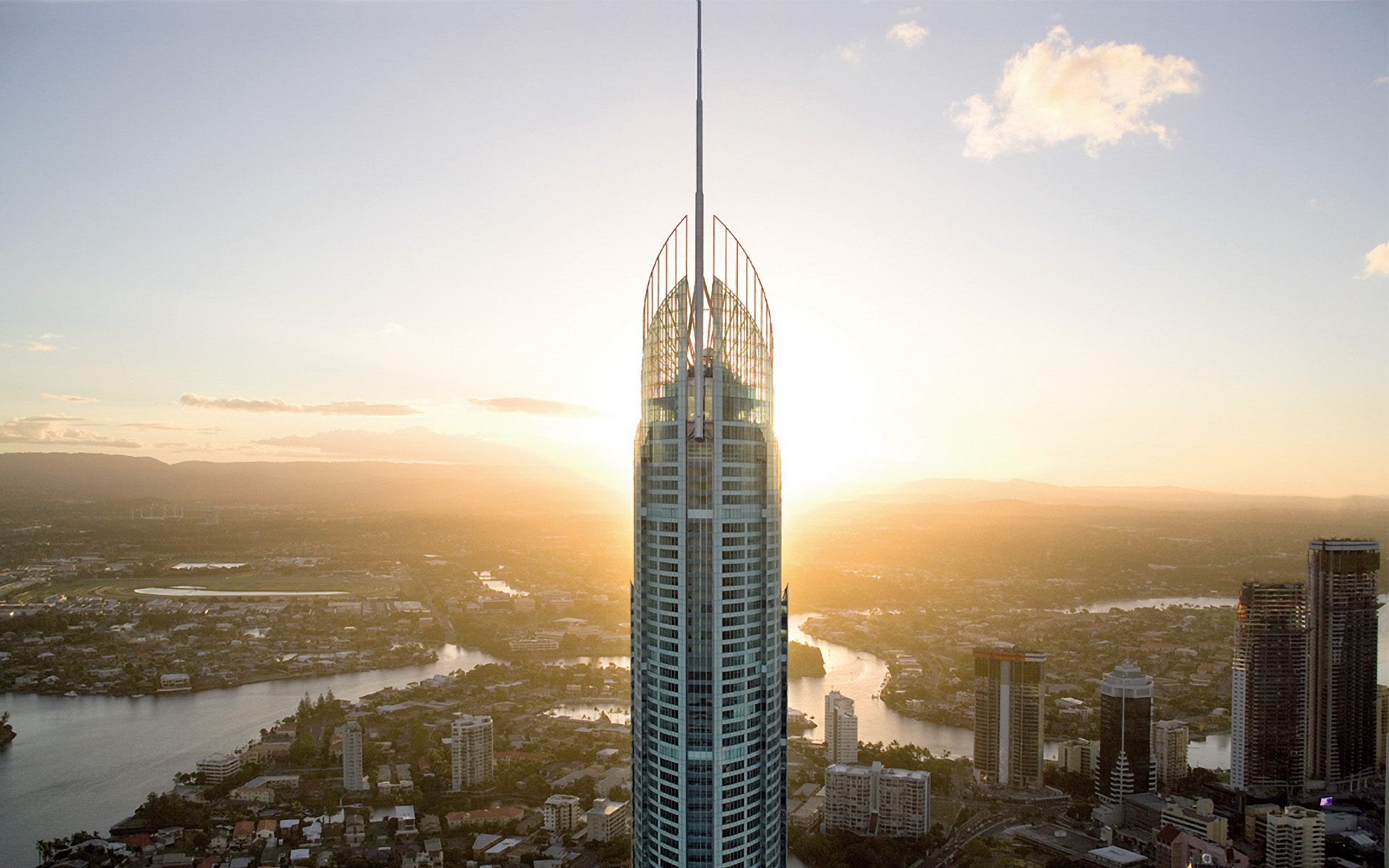
9 Hamilton Ave, Surfers Paradise QLD · 2025
Q1 Tower, Facade and Spire Engineering Programme
Read case study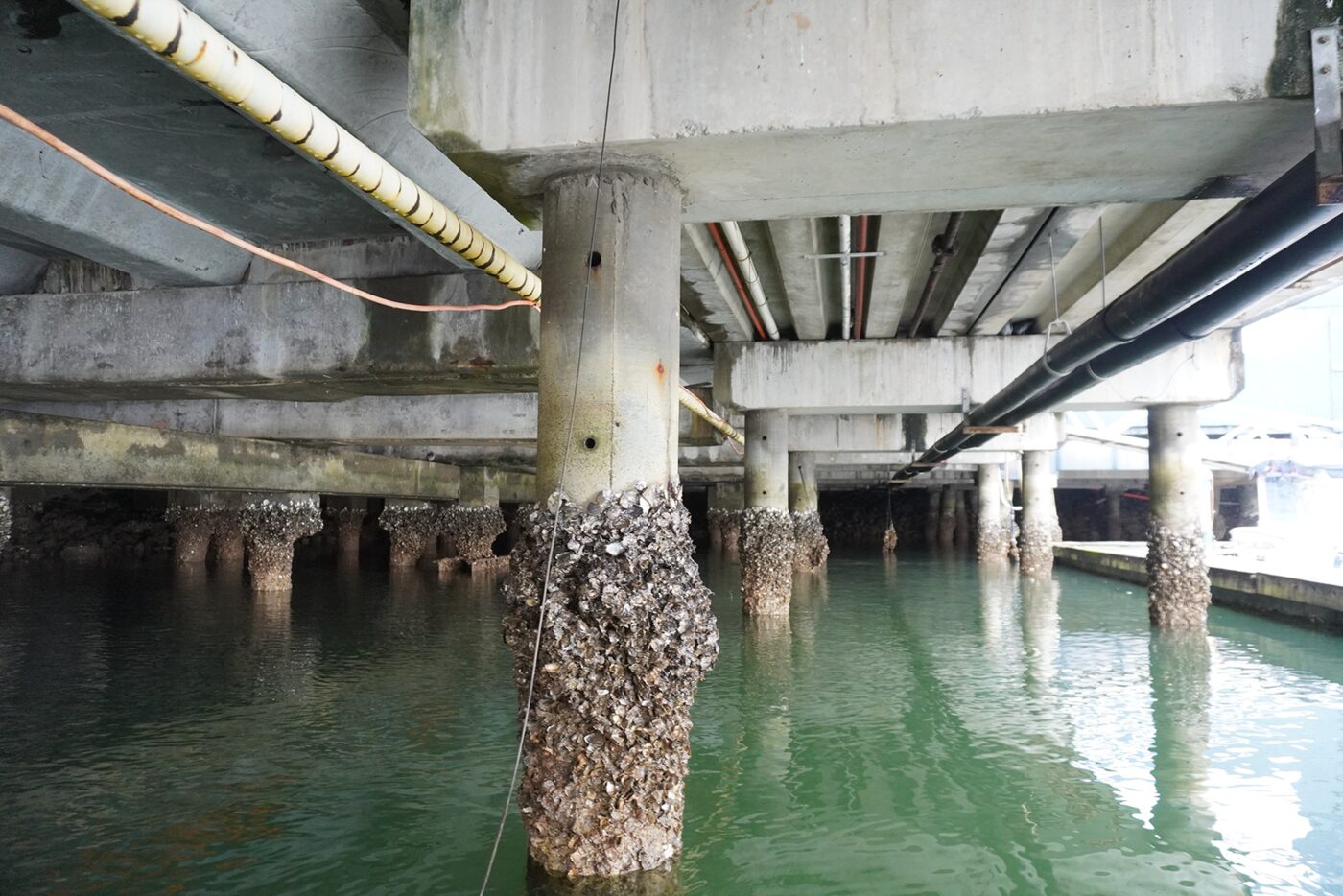
74 Seaworld Dr, Main Beach QLD · 2025
Marina Mirage, Make Safe & Monitor for Marine Infrastructure
Read case studyReady to discuss your project?
Every TRSC engagement begins with a direct conversation with a RPEQ-qualified structural engineer. We investigate before we recommend, and back every finding with data.